RankRizz

Nucleophilic addition reactions of carbonyl compounds — JEE Main Previous Year Questions

Every JEE Main question on Nucleophilic addition reactions of carbonyl compounds, one of the ideas inside Aldehydes and Ketones: 138 questions from 2005–2026, 77 of them in the last five years. Newest first, answer key on every one. Free to read.

Questions

138

Years asked

17

Since

2005

Of the chapter

64%

Every Nucleophilic addition reactions of carbonyl compounds question

81–100 OF 138 · NEWEST FIRST

JEE MAIN 2021 · 27 AUG S1Nucleophilic addition reactions of carbonyl compoundsTRANSCRIBED

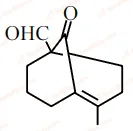
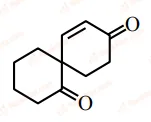
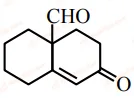
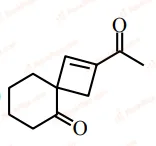
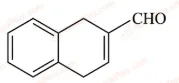
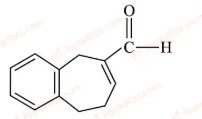
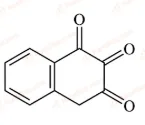
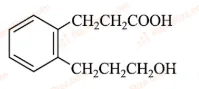
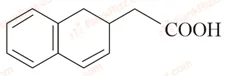
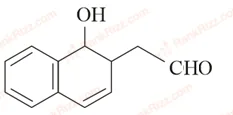
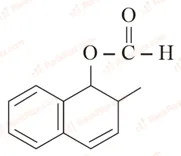
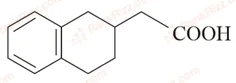
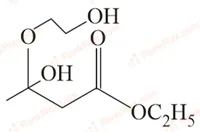
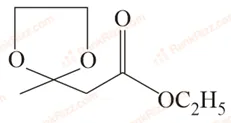
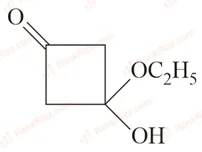
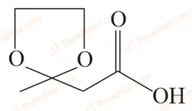
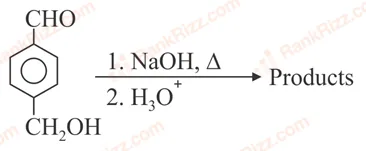
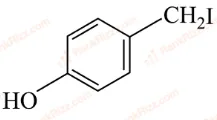
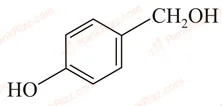
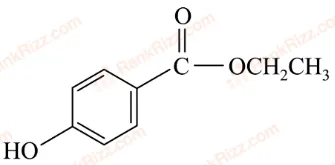
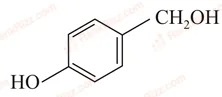
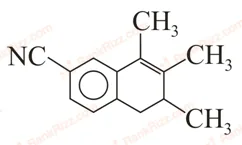
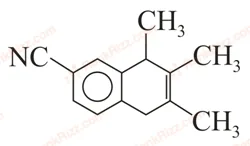
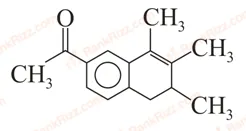
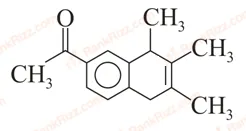
The structure of the starting compound P used in the reaction given below is:
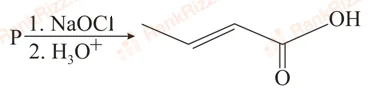
Figure for JEE Main 2021 Chemistry question on Nucleophilic addition reactions of carbonyl compounds
  1. A
    Figure for JEE Main 2021 Chemistry question on Nucleophilic addition reactions of carbonyl compounds
  2. B
    Figure for JEE Main 2021 Chemistry question on Nucleophilic addition reactions of carbonyl compounds
  3. C
    Figure for JEE Main 2021 Chemistry question on Nucleophilic addition reactions of carbonyl compounds
  4. D
    Figure for JEE Main 2021 Chemistry question on Nucleophilic addition reactions of carbonyl compounds
JEE MAIN 2021 · 24 FEB S2Nucleophilic addition reactions of carbonyl compoundsTRANSCRIBED

Which of the following reagent is suitable for the preparation of the product in the above reaction?
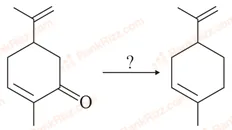
Figure for JEE Main 2021 Chemistry question on Nucleophilic addition reactions of carbonyl compounds
  1. A

    Red P + Cl2Cl_2

  2. B

    NaBH4NaBH_4

  3. C

    NH2−NH2/C2H5ONaNH_2 - NH_2 / C_2H_5ONa

  4. D

    Ni / H2H_2

JEE MAIN 2021 · 20 JUL S2Nucleophilic addition reactions of carbonyl compoundsTRANSCRIBED

The major product (P) in the following reaction is:
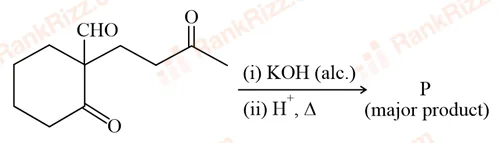
Figure for JEE Main 2021 Chemistry question on Nucleophilic addition reactions of carbonyl compounds
  1. A
    Figure for JEE Main 2021 Chemistry question on Nucleophilic addition reactions of carbonyl compounds
  2. B
    Figure for JEE Main 2021 Chemistry question on Nucleophilic addition reactions of carbonyl compounds
  3. C
    Figure for JEE Main 2021 Chemistry question on Nucleophilic addition reactions of carbonyl compounds
  4. D
    Figure for JEE Main 2021 Chemistry question on Nucleophilic addition reactions of carbonyl compounds
JEE MAIN 2021 · 01 SEP S2Nucleophilic addition reactions of carbonyl compoundsTRANSCRIBED

Experimentally reducing a functional group cannot be done by which one of the following reagents?

  1. A

    Zn / H2_2O

  2. B

    Pt - C / H2_2

  3. C

    Pd - C / H2_2

  4. D

    Na / H2_2

JEE MAIN 2021 · 26 FEB S2Nucleophilic addition reactions of carbonyl compoundsTRANSCRIBED

Identify A in the given chemical reaction.
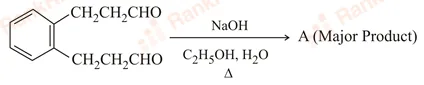
Figure for JEE Main 2021 Chemistry question on Nucleophilic addition reactions of carbonyl compounds
  1. A
    Figure for JEE Main 2021 Chemistry question on Nucleophilic addition reactions of carbonyl compounds
  2. B
    Figure for JEE Main 2021 Chemistry question on Nucleophilic addition reactions of carbonyl compounds
  3. C
    Figure for JEE Main 2021 Chemistry question on Nucleophilic addition reactions of carbonyl compounds
  4. D
    Figure for JEE Main 2021 Chemistry question on Nucleophilic addition reactions of carbonyl compounds
JEE MAIN 2021 · 16 MAR S1Nucleophilic addition reactions of carbonyl compoundsTRANSCRIBED

The product "P" in the above reaction is:
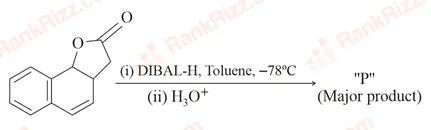
Figure for JEE Main 2021 Chemistry question on Nucleophilic addition reactions of carbonyl compounds
  1. A
    Figure for JEE Main 2021 Chemistry question on Nucleophilic addition reactions of carbonyl compounds
  2. B
    Figure for JEE Main 2021 Chemistry question on Nucleophilic addition reactions of carbonyl compounds
  3. C
    Figure for JEE Main 2021 Chemistry question on Nucleophilic addition reactions of carbonyl compounds
  4. D
    Figure for JEE Main 2021 Chemistry question on Nucleophilic addition reactions of carbonyl compounds
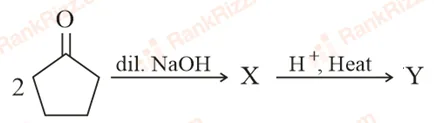
JEE MAIN 2021 · 18 MAR S2Nucleophilic addition reactions of carbonyl compoundsTRANSCRIBED
Figure for JEE Main 2021 Chemistry question on Nucleophilic addition reactions of carbonyl compounds


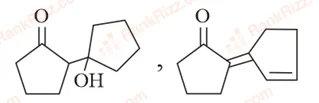
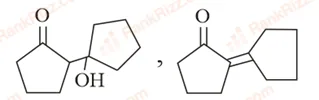
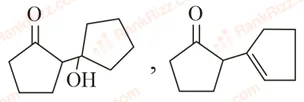
Consider the above reaction, the product X and Y respectively are :
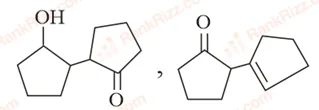
  1. A
    Figure for JEE Main 2021 Chemistry question on Nucleophilic addition reactions of carbonyl compounds
  2. B
    Figure for JEE Main 2021 Chemistry question on Nucleophilic addition reactions of carbonyl compounds
  3. C
    Figure for JEE Main 2021 Chemistry question on Nucleophilic addition reactions of carbonyl compounds
  4. D
    Figure for JEE Main 2021 Chemistry question on Nucleophilic addition reactions of carbonyl compounds
JEE MAIN 2021 · 17 MAR S1Nucleophilic addition reactions of carbonyl compoundsTRANSCRIBED

The product "A" in the above reaction is:

Figure for JEE Main 2021 Chemistry question on Nucleophilic addition reactions of carbonyl compounds
  1. A
    Figure for JEE Main 2021 Chemistry question on Nucleophilic addition reactions of carbonyl compounds
  2. B
    Figure for JEE Main 2021 Chemistry question on Nucleophilic addition reactions of carbonyl compounds
  3. C
    Figure for JEE Main 2021 Chemistry question on Nucleophilic addition reactions of carbonyl compounds
  4. D
    Figure for JEE Main 2021 Chemistry question on Nucleophilic addition reactions of carbonyl compounds
JEE MAIN 2021 · 31 AUG S2Nucleophilic addition reactions of carbonyl compoundsTRANSCRIBED

For the reaction given below:

Figure for JEE Main 2021 Chemistry question on Nucleophilic addition reactions of carbonyl compounds


The compound which is not formed as a product in the reaction is a:

  1. A

    diol

  2. B

    monocarboxylic acid

  3. C

    compound with both alcohol and acid functional groups

  4. D

    dicarboxylic acid

JEE MAIN 2021 · 01 SEP S2Nucleophilic addition reactions of carbonyl compoundsTRANSCRIBED

Given below are two statements:
Statement I : The nucleophilic addition of sodium hydrogen sulphite to an aldehyde or a ketone involves proton transfer to form a stable ion.
Statement II : The nucleophilic addition of hydrogen cyanide to an aldehyde or a ketone yields amine as final product.
In the light of the above statements, choose the most appropriate answer from the options given below:

  1. A

    Both Statement I and Statement II are false.

  2. B

    Both Statement I and Statement II are true.

  3. C

    Statement I is false but Statement II is true.

  4. D

    Statement I is true but Statement II is false.

JEE MAIN 2021 · 26 FEB S2Nucleophilic addition reactions of carbonyl compoundsTRANSCRIBED

Identify A in the following chemical reaction.
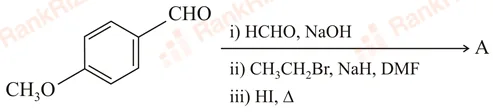
Figure for JEE Main 2021 Chemistry question on Nucleophilic addition reactions of carbonyl compounds
  1. A
    Figure for JEE Main 2021 Chemistry question on Nucleophilic addition reactions of carbonyl compounds
  2. B
    Figure for JEE Main 2021 Chemistry question on Nucleophilic addition reactions of carbonyl compounds
  3. C
    Figure for JEE Main 2021 Chemistry question on Nucleophilic addition reactions of carbonyl compounds
  4. D
    Figure for JEE Main 2021 Chemistry question on Nucleophilic addition reactions of carbonyl compounds
JEE MAIN 2021 · 27 AUG S2Nucleophilic addition reactions of carbonyl compoundsTRANSCRIBED

Which one of the following is the major product of the given reaction?
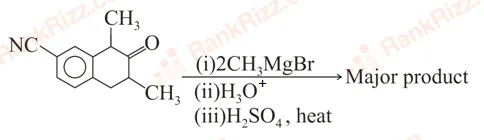
Figure for JEE Main 2021 Chemistry question on Nucleophilic addition reactions of carbonyl compounds
  1. A
    Figure for JEE Main 2021 Chemistry question on Nucleophilic addition reactions of carbonyl compounds
  2. B
    Figure for JEE Main 2021 Chemistry question on Nucleophilic addition reactions of carbonyl compounds
  3. C
    Figure for JEE Main 2021 Chemistry question on Nucleophilic addition reactions of carbonyl compounds
  4. D
    Figure for JEE Main 2021 Chemistry question on Nucleophilic addition reactions of carbonyl compounds
JEE MAIN 2021 · 31 AUG S2Nucleophilic addition reactions of carbonyl compoundsTRANSCRIBED

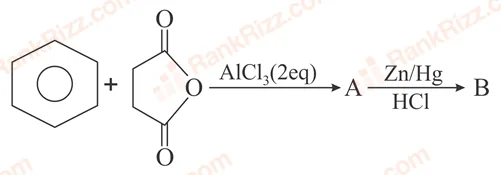
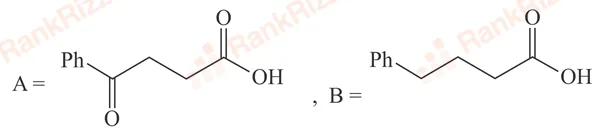
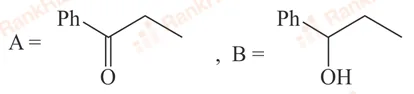
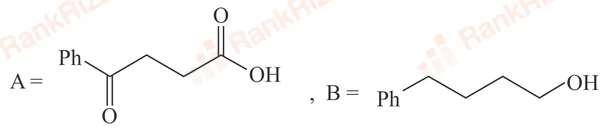
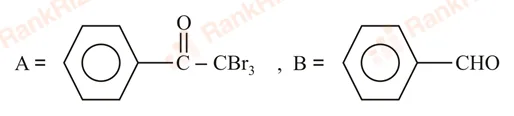
The structures of A and B formed in the following reaction are: Ph = -C6_6H5_5

Figure for JEE Main 2021 Chemistry question on Nucleophilic addition reactions of carbonyl compounds
  1. A
    Figure for JEE Main 2021 Chemistry question on Nucleophilic addition reactions of carbonyl compounds
  2. B
    Figure for JEE Main 2021 Chemistry question on Nucleophilic addition reactions of carbonyl compounds
  3. C
    Figure for JEE Main 2021 Chemistry question on Nucleophilic addition reactions of carbonyl compounds
  4. D
    Figure for JEE Main 2021 Chemistry question on Nucleophilic addition reactions of carbonyl compounds
JEE MAIN 2021 · 26 AUG S1Nucleophilic addition reactions of carbonyl compoundsTRANSCRIBED

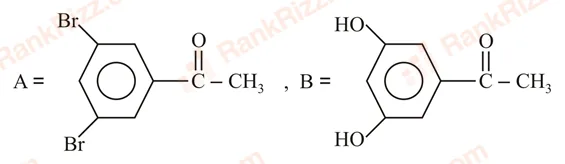
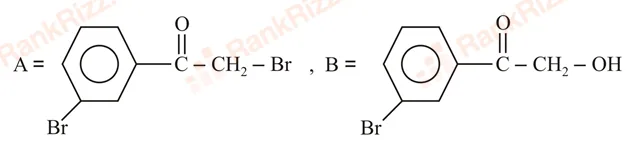
The major products formed in the following reaction sequence A and B are:
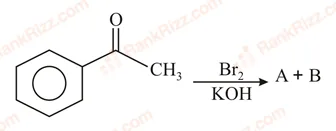
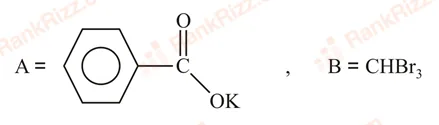
Figure for JEE Main 2021 Chemistry question on Nucleophilic addition reactions of carbonyl compounds

  1. A
    Figure for JEE Main 2021 Chemistry question on Nucleophilic addition reactions of carbonyl compounds
  2. B
    Figure for JEE Main 2021 Chemistry question on Nucleophilic addition reactions of carbonyl compounds
  3. C
    Figure for JEE Main 2021 Chemistry question on Nucleophilic addition reactions of carbonyl compounds
  4. D
    Figure for JEE Main 2021 Chemistry question on Nucleophilic addition reactions of carbonyl compounds
JEE MAIN 2021 · 24 FEB S2Nucleophilic addition reactions of carbonyl compoundsTRANSCRIBED

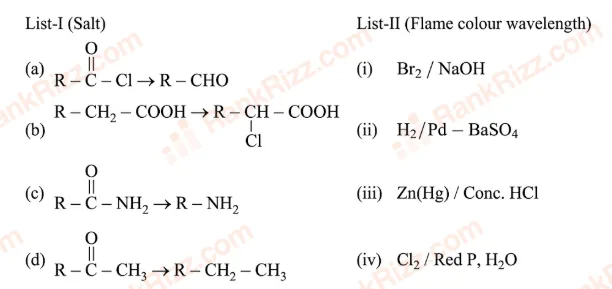
Match List - I with List - II.

Figure for JEE Main 2021 Chemistry question on Nucleophilic addition reactions of carbonyl compounds

Choose the correct answer from the options given below:

  1. A

    (a)-(ii), (b)-(iv), (c)-(i), (d)-(iii)

  2. B

    (a)-(iii), (b)-(i), (c)-(iv), (d)-(ii)

  3. C

    (a)-(ii), (b)-(i), (c)-(iv), (d)-(iii)

  4. D

    (a)-(iii), (b)-(iv), (c)-(i), (d)-(ii)

JEE MAIN 2021 · 25 FEB S1Nucleophilic addition reactions of carbonyl compoundsTRANSCRIBED

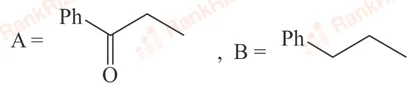
The major product of the following chemical reaction is:
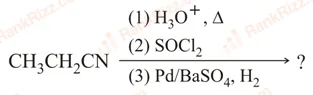
Figure for JEE Main 2021 Chemistry question on Nucleophilic addition reactions of carbonyl compounds
  1. A

    CH3CH2CHOCH_3CH_2CHO

  2. B

    CH3CH2CH2OHCH_3CH_2CH_2OH

  3. C

    CH3CH2CH3CH_3CH_2CH_3

  4. D

    (CH3CH2CO)2O(CH_3CH_2CO)_2O

JEE MAIN 2020 · 05 SEP S1Nucleophilic addition reactions of carbonyl compoundsTRANSCRIBED

The increasing order of the acidity of the α\alpha-hydrogen of the following compounds is:

Figure for JEE Main 2020 Chemistry question on Nucleophilic addition reactions of carbonyl compounds
  1. A

    (D)<(C)<(A)<(B)(D) < (C) < (A) < (B)

  2. B

    (B)<(C)<(A)<(D)(B) < (C) < (A) < (D)

  3. C

    (A)<(C)<(D)<(B)(A) < (C) < (D) < (B)

  4. D

    (C)<(A)<(B)<(D)(C) < (A) < (B) < (D)

JEE MAIN 2020 · 06 SEP S1Nucleophilic addition reactions of carbonyl compoundsTRANSCRIBED

Consider the following reactions:

Figure for JEE Main 2020 Chemistry question on Nucleophilic addition reactions of carbonyl compounds


'A' is:

  1. A
    Figure for JEE Main 2020 Chemistry question on Nucleophilic addition reactions of carbonyl compounds
  2. B
    Figure for JEE Main 2020 Chemistry question on Nucleophilic addition reactions of carbonyl compounds
  3. C
    Figure for JEE Main 2020 Chemistry question on Nucleophilic addition reactions of carbonyl compounds
  4. D
    Figure for JEE Main 2020 Chemistry question on Nucleophilic addition reactions of carbonyl compounds
JEE MAIN 2020 · 02 SEP S1Nucleophilic addition reactions of carbonyl compoundsTRANSCRIBED

The increasing order of the following compounds towards HCN addition is:
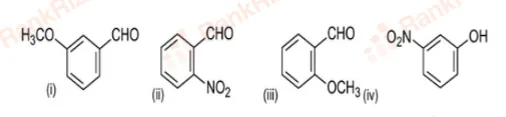
Figure for JEE Main 2020 Chemistry question on Nucleophilic addition reactions of carbonyl compounds
  1. A

    (i)<(iii)<(iv)<(ii)(i) < (iii) < (iv) < (ii)

  2. B

    (iii)<(iv)<(i)<(ii)(iii) < (iv) < (i) < (ii)

  3. C

    (iii)<(i)<(iv)<(ii)(iii) < (i) < (iv) < (ii)

  4. D

    (iii)<(iv)<(ii)<(i)(iii) < (iv) < (ii) < (i)

JEE MAIN 2020 · 03 SEP S2Nucleophilic addition reactions of carbonyl compoundsTRANSCRIBED

The increasing order of the reactivity of the following compounds in nucleophile addition reaction is:
Propanal, Benzaldehyde, Propanone, Butanone

  1. A

    Benzaldehyde > Butanone < Propanone < Propanal

  2. B

    Butanone < Propanone < Benzaldehyde < Propanal

  3. C

    Propanal < Propanone < Butanone < Benzaldehyde

  4. D

    Benzaldehyde < Propanal < Propanone < Butanone