JEE MAIN 2024 · 29 JAN S2Oxidation and reduction of carbonyl compoundsTRANSCRIBED
Identify the reagents used for the following conversion
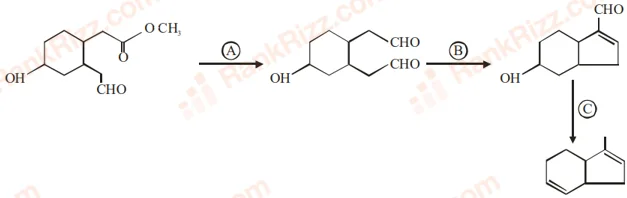
- A
ethylene glycol
- B
- C
ethylene glycol
- D
Every JEE Main question on Oxidation and reduction of carbonyl compounds, one of the ideas inside Aldehydes and Ketones: 13 questions from 2004–2024, 9 of them in the last five years. Newest first, answer key on every one. Free to read.
Questions
13
Years asked
5
Since
2004
Of the chapter
6%
Questions on Oxidation and reduction of carbonyl compounds in each year it was asked.
1–13 OF 13 · NEWEST FIRST
Identify the reagents used for the following conversion
ethylene glycol
ethylene glycol
This reduction reaction is known as:
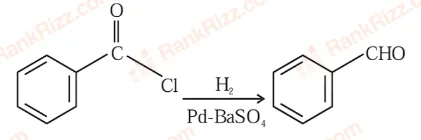
Rosenmund reduction
Wolff-Kishner reduction
Stephen reduction
Etard reduction
Toluene can be easily converted into benzaldehyde by which of the following reagents?
/acetic acid,
/acetic anhydride,
/ HCl,
CO, HCl, Anhyd.
Which of the following reactions will yield benzaldehyde as a product?
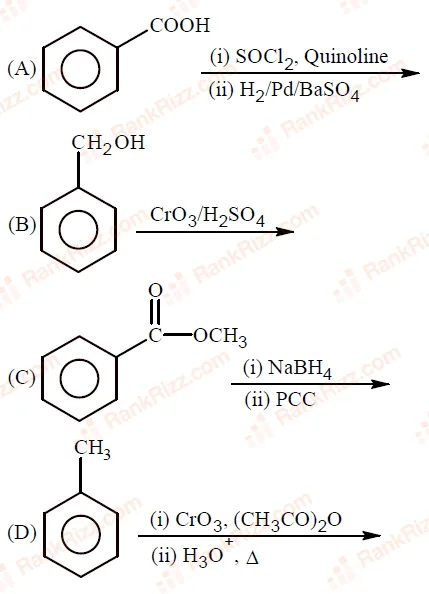
B & C
C & D
A & D
A & C
Which of the following conditions or reaction sequence will NOT give acetophenone as the major product?
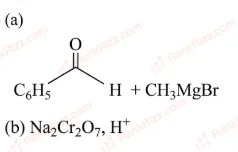
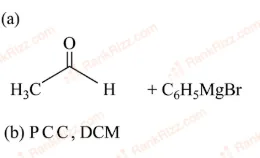
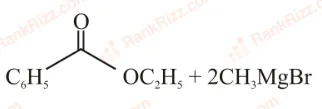
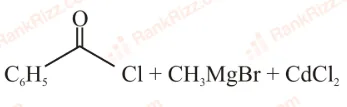
The correct structure of C is

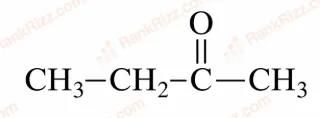
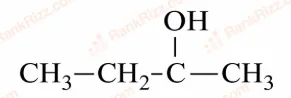
Which of the following reagent is used for the following reaction?
Copper at high temperature and pressure
Manganese acetate
Molybdenum oxide
Potassium permanganate
Which one of the following carbonyl compounds cannot be prepared by addition of water on an alkyne in the presence of and ?
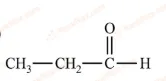
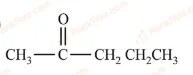
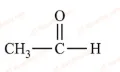
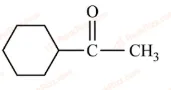
The total number of C-C sigma bond/s in mesityl oxide () is ________ (Round off to the Nearest Integer).
Iodoform can be prepared from all except :
Ethyl methyl ketone
Isopropyl alcohol
Methylbutanone
Isobutyl alcohol
In the given transformation, which of the following is the most appropriate reagent?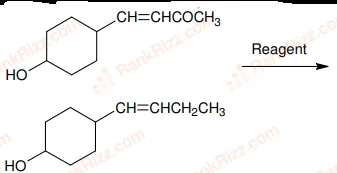
The reaction,
Cannizaro's reaction
Rosenmund reduction
Wolf-Kishner reduction
Clemmenson reduction
Which one of the following reduced with zinc and hydrochloric acid to give the corresponding hydrocarbon?
Ethyl acetate
Butan-2-one
Acetamide
Acetic acid