JEE MAIN 2019 · 12 JAN S2HaloarenesTRANSCRIBED
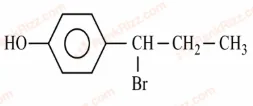
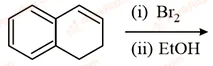
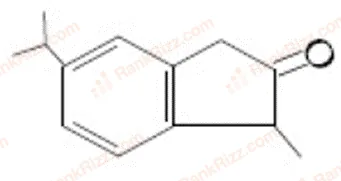
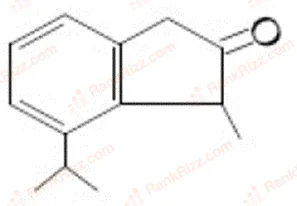
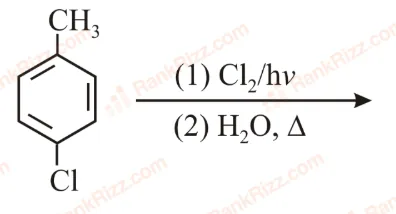
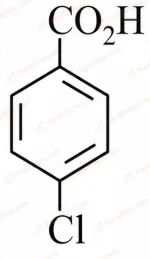
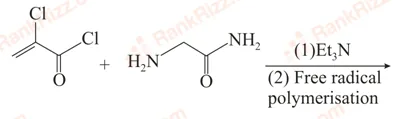
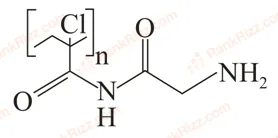
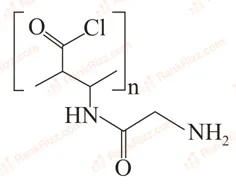
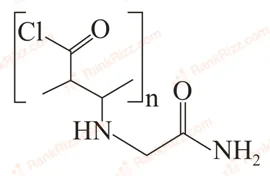
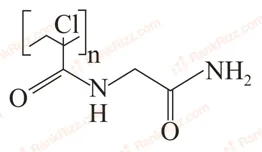
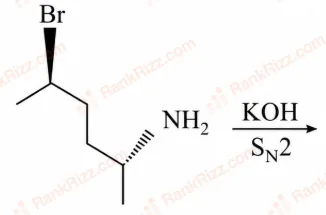
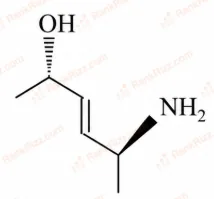
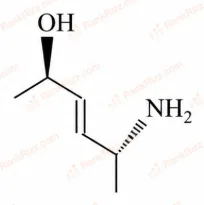
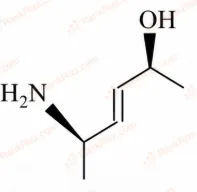
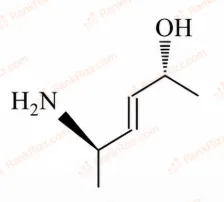
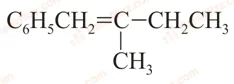
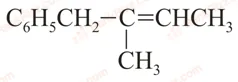
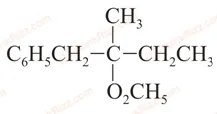
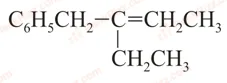
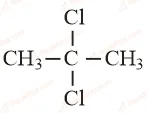
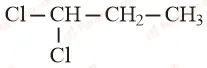
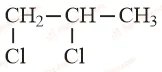
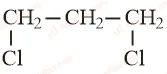
The major product in the following conversion is:

- A
- B
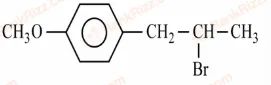
- C
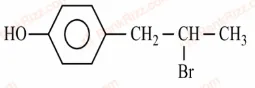
- D
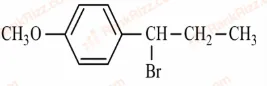
Every Haloalkanes and Haloarenes question JEE Main has set, grouped by the idea it tests rather than the order of the syllabus. 188 questions across 6 distinct ideas. Free to read, answer key on every one.
Questions
188
Distinct ideas
6
Share of marks
3.4%
Difficulty
MEDIUM
A chapter is not one subject — it is a handful of procedures the examiner reuses. These are the ones Haloalkanes and Haloarenes questions actually test.
141–160 OF 188 · NEWEST FIRST
The major product in the following conversion is:
In the reaction given below what will be the major product at the end:
Options:
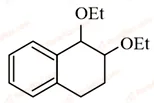
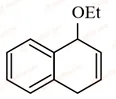
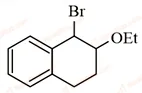
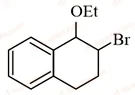
The major product of the following reaction is:
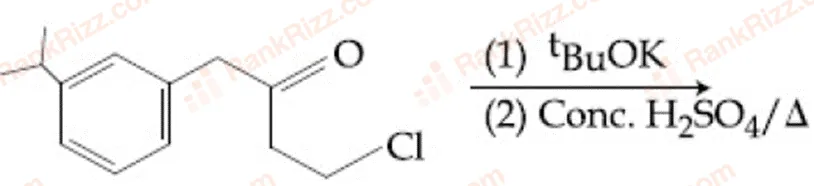
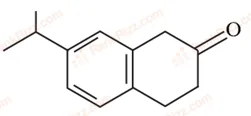
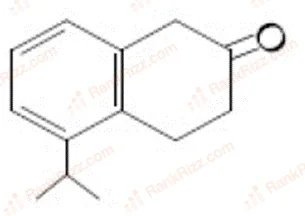
The major product of the following reaction is:
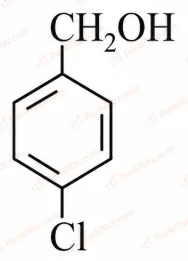
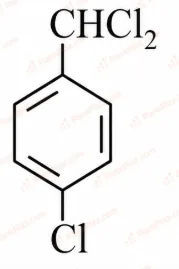
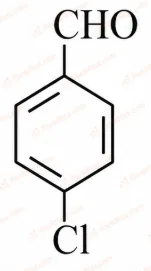
The major product 'Y' in the following reaction is:
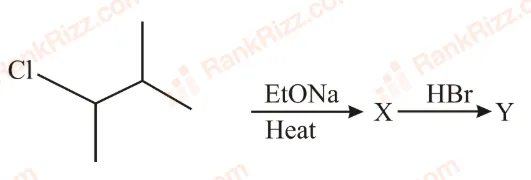
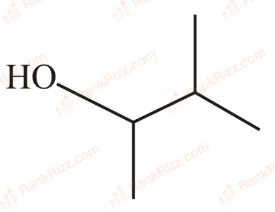
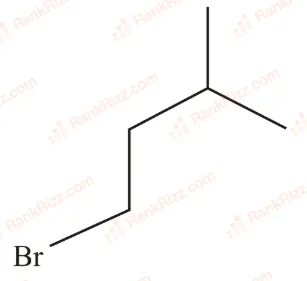
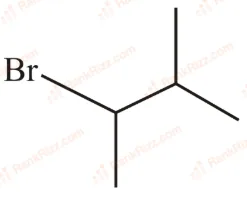
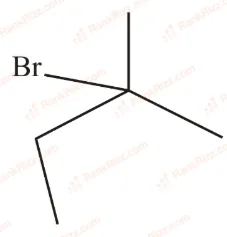
An 'Assertion' and a 'Reason' is given below. Choose the correct answer from the following options:
Assertion (A): Vinyl halides do not undergo nucleophilic substitution easily.
Reason (R): Even though the intermediate carbocation is stabilized by loosely held -electrons, the cleavage is difficult because of the strong bonding.
Both (A) and (R) are correct statements but (R) is not the correct explanation of (A).
Both (A) and (R) are wrong statements.
Both (A) and (R) are wrong statements and (R) is the correct explanation of (A).
(A) is a correct statement but (R) is a wrong statement.
Major product of the given below reaction:
Options:
The major product of the following reaction is: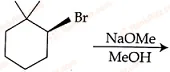
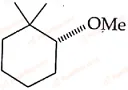
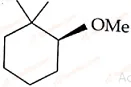


The major product of the following reaction is:
Which of the following compounds will not undergo Friedel Crafts reaction with benzene?
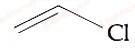
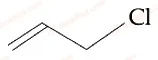
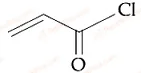

The major product obtained in the following reaction is,
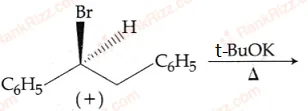
CHCH = CHCH
+ CHCHOtBuCHCH
- CHCHOtBuCHCH
± CHCHOtBuCHCH
The increasing order of the reactivity of the following halides for the S1 reaction is
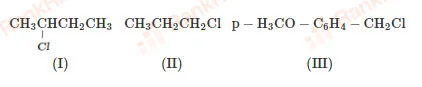
(II) < (I) < (III)
(I) < (III) < (II)
(II) < (III) < (I)
(III) < (II) < (I)
The major product of the following reaction is:
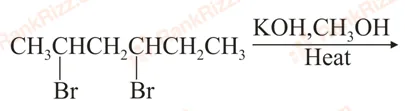
3-Methyl-pent-2-ene on reaction with HBr in presence of peroxide forms an addition product. The number of possible stereoisomers for the product is
zero
two
four
six
The major product of the following reaction is:
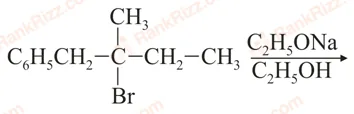
Which of the following, upon treatment with tert-BuONa followed by addition of bromine water, fails to decolourize the colour of bromine?
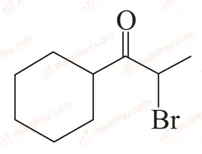
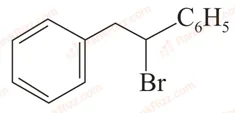
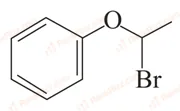
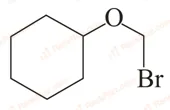
In the following reaction sequence:

Compound I is
Which one of the following reagents is not suitable for the elimination reaction?

NaI
NaOEt/EtOH
,
- EtOH
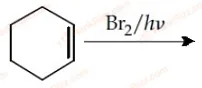
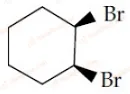
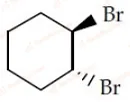
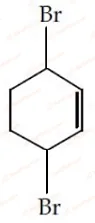
Bromination of cyclohexene under conditions given below yields:
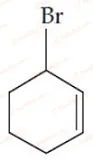
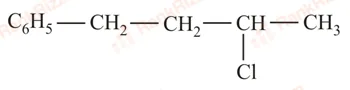
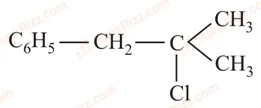
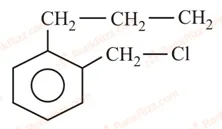
A compound A with molecular formula , gives a white precipitate on adding silver nitrate solution. A on reacting with alcoholic KOH gives compound B as the main product. B on ozonolysis, gives C and D. C gives Cannizaro reaction, but not aldol condensation. D gives aldol condensation, but not Cannizaro reaction. A is

OTHER CHEMISTRY CHAPTERS