JEE MAIN 2018 · 08 APR OFFLINENucleophilic substitution (SN1 and SN2)TRANSCRIBED
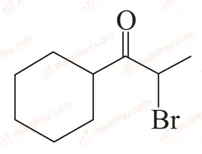
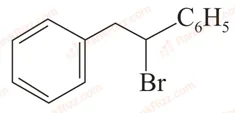
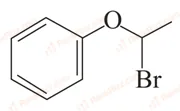
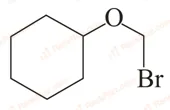
The major product of the following reaction is: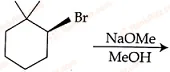
- A
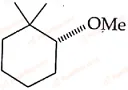
- B
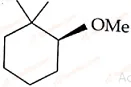
- C

- D

Every JEE Main question on Nucleophilic substitution (SN1 and SN2), one of the ideas inside Haloalkanes and Haloarenes: 128 questions from 2005–2026, 64 of them in the last five years. Newest first, answer key on every one. Free to read.
Questions
128
Years asked
20
Since
2005
Of the chapter
68%
101–120 OF 128 · NEWEST FIRST
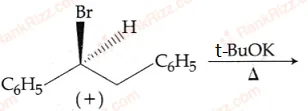
The major product of the following reaction is:
The major product of the following reaction is:
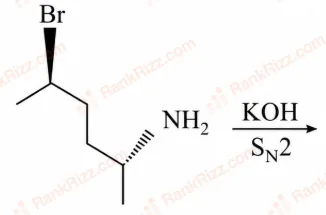
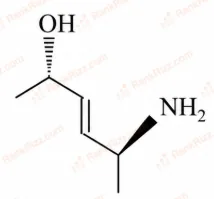
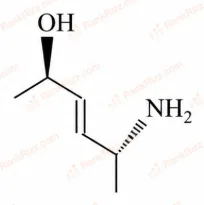
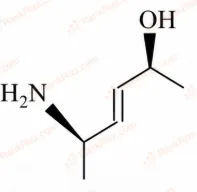
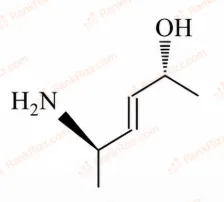
The major product obtained in the following reaction is,
CHCH = CHCH
+ CHCHOtBuCHCH
- CHCHOtBuCHCH
± CHCHOtBuCHCH
The increasing order of the reactivity of the following halides for the S1 reaction is
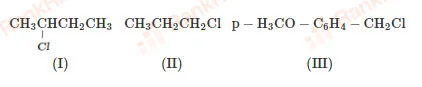
(II) < (I) < (III)
(I) < (III) < (II)
(II) < (III) < (I)
(III) < (II) < (I)
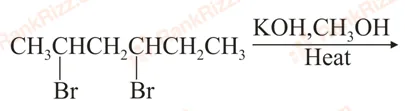
The major product of the following reaction is:
3-Methyl-pent-2-ene on reaction with HBr in presence of peroxide forms an addition product. The number of possible stereoisomers for the product is
zero
two
four
six
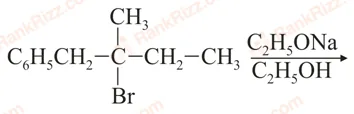
The major product of the following reaction is:
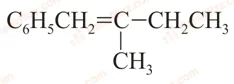
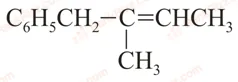
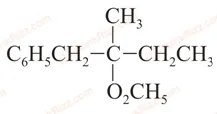
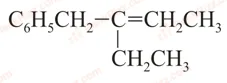
Which of the following, upon treatment with tert-BuONa followed by addition of bromine water, fails to decolourize the colour of bromine?
In the following reaction sequence:

Compound I is
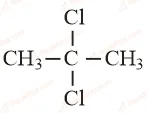
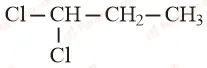
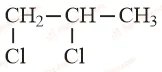
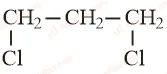
Which one of the following reagents is not suitable for the elimination reaction?

NaI
NaOEt/EtOH
,
- EtOH
Bromination of cyclohexene under conditions given below yields:
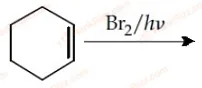
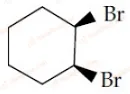
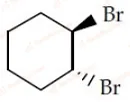
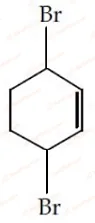
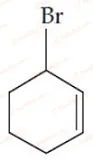
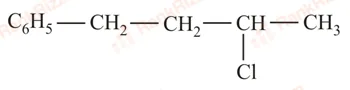
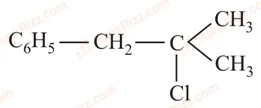
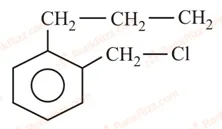
A compound A with molecular formula , gives a white precipitate on adding silver nitrate solution. A on reacting with alcoholic KOH gives compound B as the main product. B on ozonolysis, gives C and D. C gives Cannizaro reaction, but not aldol condensation. D gives aldol condensation, but not Cannizaro reaction. A is

The synthesis of alkyl fluorides is best accomplished by:
Swarts reaction
Free radical fluorination
Sandmeyer's reaction
Finkelstein reaction
The major product formed when 1, 1, 1-trichloropropane is treated with aqueous potassium hydroxide is:
2-Propanol
Propyne
Propionic acid
1-Propanol
For the compounds CHCl, CHBr, CHI and CHF, the correct order of increasing C-halogen bond length is:
CHF < CHBr < CHCl < CHI
CHF < CHI < CHBr < CHCl
CHF < CHCl < CHBr < CHI
CHCl < CHBr < CHF < CHI
In S2 reactions, the correct order of reactivity for the following compounds: CHCl, CHCHCl, (CH)CHCl and (CH)CCl is:
In a nucleophilic substitution reaction: R Br + Cl R Cl + Br, which one of the following undergoes complete inversion of configuration?
CHCHCHBr
CHCCHCHBr
CHCHBr
CHCHCHBr
A solution of (-)1-chloro-1-phenylethane in toluene racemises slowly in the presence of a small amount of , due to the formation of :
Carbocation
Free radical
Carbanion
Carbene
In nucleophilic substitution reaction, order of halogens as incoming (attacking) nucleophile is: . The order of halogens as departing nucleophile should be :
Br > I > Cl
I > Br > Cl
Cl > Br > I
Cl > I > Br
The order of reactivity of the given haloalkanes towards nucleophile is :
RI > RBr > RCl
RCl > RBr > RI
RBr > RCl > RI
RBr > RI > RCl
RELATED HALOALKANES AND HALOARENES TOPICS