JEE MAIN 2022 · 28 JUN S1Nucleophilic substitution (SN1 and SN2)TRANSCRIBED
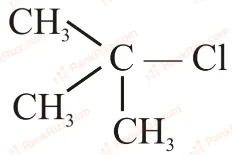
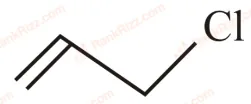
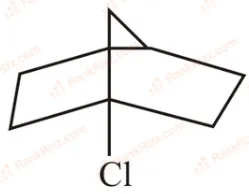
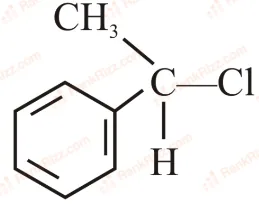
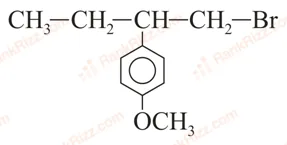
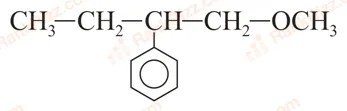
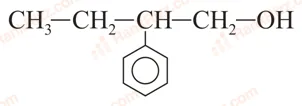
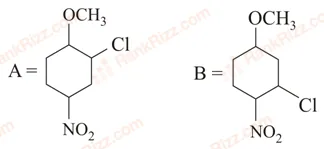
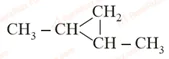
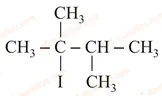
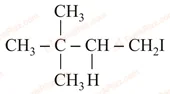
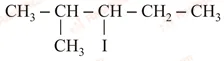
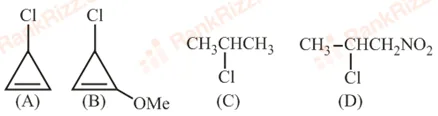
Which one of the following compounds is inactive towards reaction?
- A
- B
- C
- D
Every JEE Main question on Nucleophilic substitution (SN1 and SN2), one of the ideas inside Haloalkanes and Haloarenes: 128 questions from 2005–2026, 64 of them in the last five years. Newest first, answer key on every one. Free to read.
Questions
128
Years asked
20
Since
2005
Of the chapter
68%
61–80 OF 128 · NEWEST FIRST
Which one of the following compounds is inactive towards reaction?
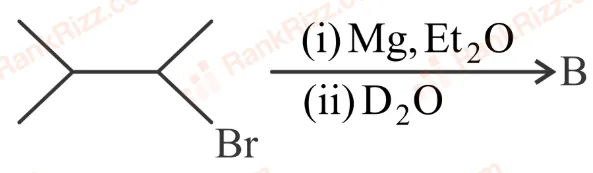
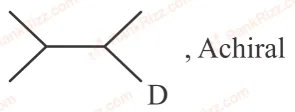
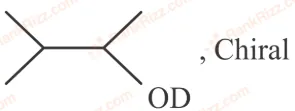
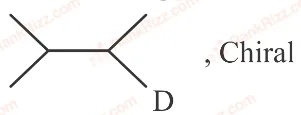
Major product 'B' of the following reaction sequence is

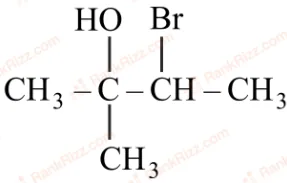
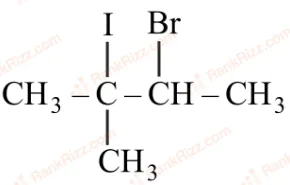
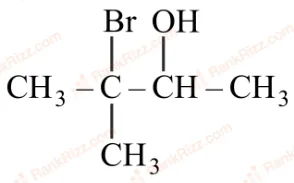
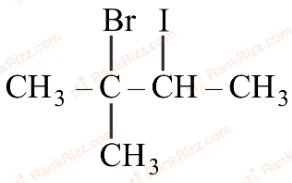
Compound 'A' undergoes following sequence of reactions to give compound 'B'. The correct structure and chirality of compound 'B' is [where Et is ]
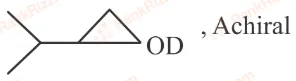
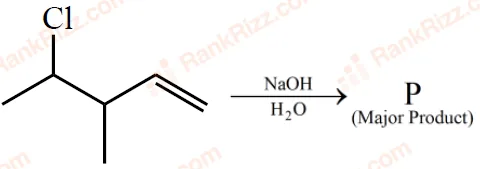
Consider the above reaction. The number of electrons present in the product 'P' is ______
The major product (A) formed in the reaction given below is:
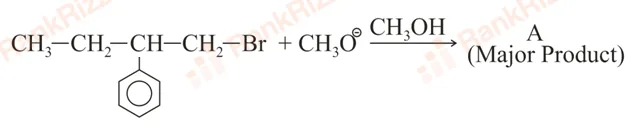
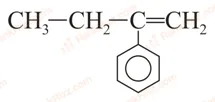
The correct pair(s) of the ambident nucleophiles is (are):
(A) AgCN / KCN
(B) RCOOAg / RCOOK
(C) AgNO / KNO
(D) AgI / KI
(B) and (C) only
(A) only
(A) and (C) only
(B) only
The product "A" and "B" formed in below reactions are:
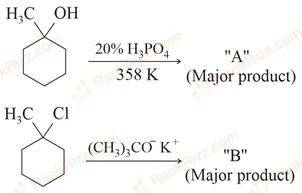
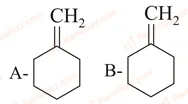
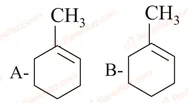
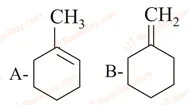
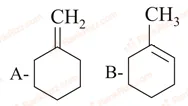
Identify A and B in the chemical reaction.
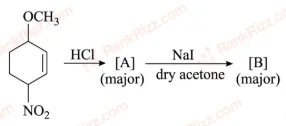
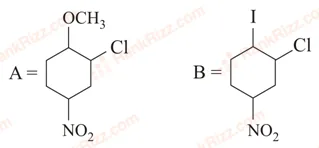
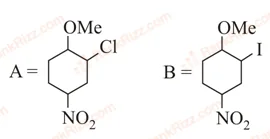
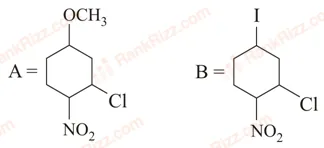
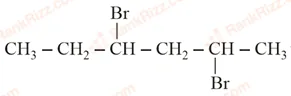
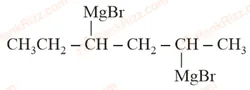
The product formed in the first step of the reaction with excess Mg / EtO / Et = is

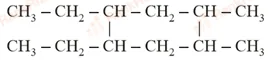
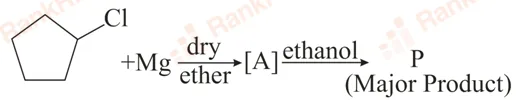
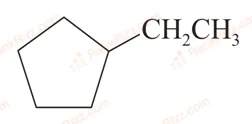
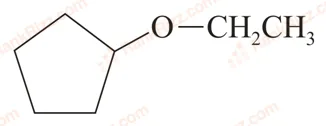
In the following sequence of reactions the P is:
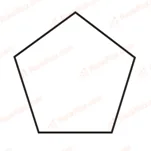
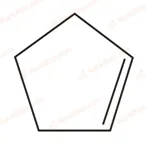
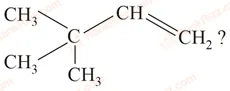
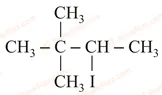
What is the major product formed by HI on reaction with the above compound?
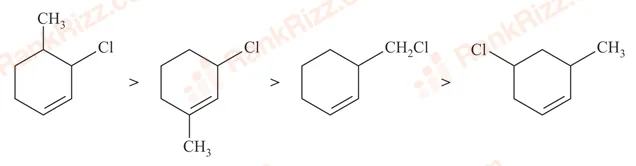
The correct order of reactivity of the given chlorides with acetate in acetic acid is:
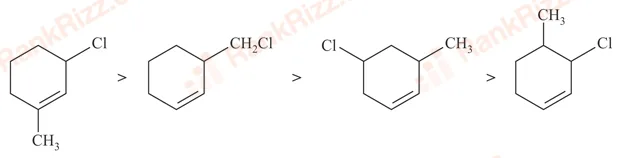
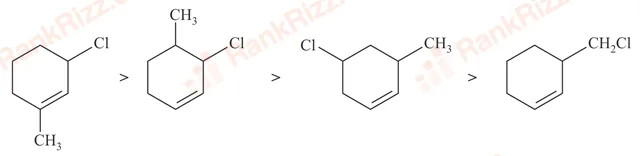
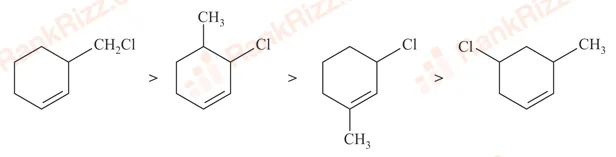
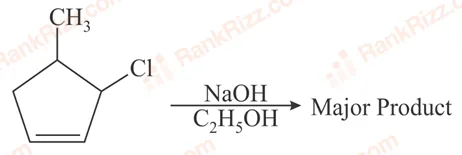
The major product of the following reaction is:
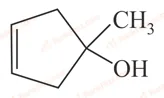
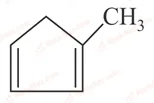
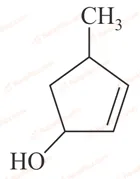
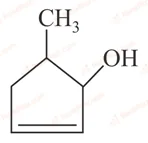
A chloro compound "A".
(i) forms aldehydes on ozonolysis followed by the hydrolysis.
(ii) when vaporized completely 1.53 g of A, gives 448 mL of vapour at STP. The number of carbon atoms in a molecule of compound A is _________
Which of the following compounds will form the precipitate with aq. AgNO solution most readily?
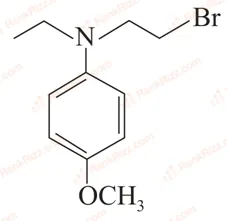
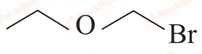
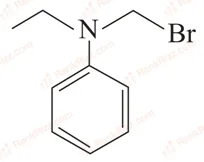
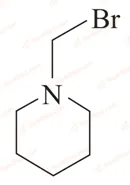
The decreasing order of reactivity of the following organic molecules towards AgNO solution is:
(C) > (D) > (A) > (B)
(A) > (B) > (D) > (C)
(A) > (B) > (C) > (D)
(B) > (A) > (C) > (D)
Among the following compounds, which one has the shortest C-Cl bond?
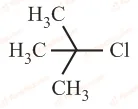
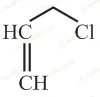
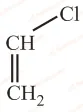
Which of the following reactions will not produce a racemic product?
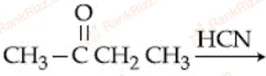
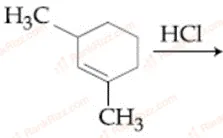
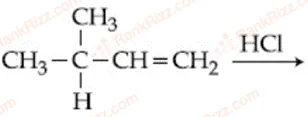
The major product formed in the following reaction is:
The decreasing order of reactivity of the following compounds towards nucleophilic substitution () is:
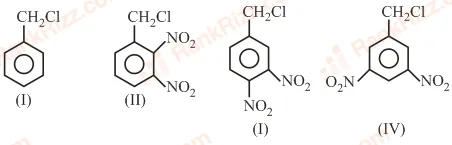
(II) > (III) > (I) > (IV)
(II) > (III) > (IV) > (I)
(III) > (II) > (IV) > (I)
(IV) > (II) > (III) > (I)
RELATED HALOALKANES AND HALOARENES TOPICS