JEE MAIN 2026 · 21 JAN S2HaloarenesTRANSCRIBED
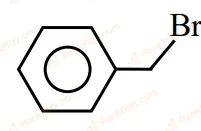
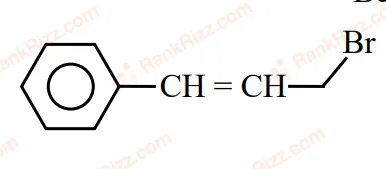
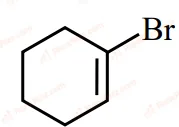
The correct order of reactivity of the following benzyl halides towards reaction with KCN is:
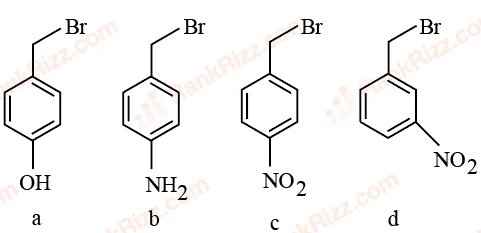
- A
b > a > d > c
- B
a > b > c >d
- C
b> a >c >d
- D
a > b > d > c
Every JEE Main question on Haloarenes, one of the ideas inside Haloalkanes and Haloarenes: 48 questions from 2006–2026, 28 of them in the last five years. Newest first, answer key on every one. Free to read.
Questions
48
Years asked
12
Since
2006
Of the chapter
26%
Questions on Haloarenes in each year it was asked.
1–20 OF 48 · NEWEST FIRST
The correct order of reactivity of the following benzyl halides towards reaction with KCN is:
b > a > d > c
a > b > c >d
b> a >c >d
a > b > d > c
As compared with chlorocyclohexane, which of the following statements correctly apply to chlorobenzene?
A. The magnitude of negative charge is more on chlorine atom.
B. The C - Cl bond has partial double bond character.
C. C - Cl bond is less polar.
D. C - Cl bond is longer due to repulsion between delocalised electrons of the aromatic ring and lone pairs of electrons of chlorine.
E. The C - Cl bond is formed using hybridised orbital of carbon.
Choose the correct answer from the options given below:
A, C and E Only
A, D and E Only
B, C and D Only
B, C and E Only
Match the LIST-I with LIST-II.
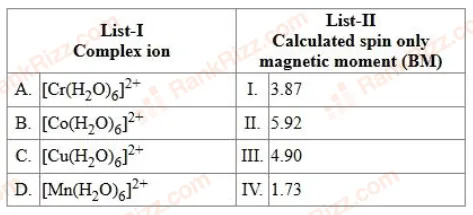
choose the correct answer from the options given below
A-I, B-III, C-IV, D-II
A-II, B-I, C-III, D-IV
A-IV, B-II, C-I, D-III
A-III, B-I, C-IV, D-II
Given below are two statements:
Statement I: 3-phenylpropene reacts with HBr and gives secondary alkyl bromide having a chiral carbon atom as the major product.
Statement II: Aryl chlorides and aryl cyanides can be prepared by Sandmeyer reaction as well as Gattermann reaction.
In the light of the above statements, choose the correct answer from the options given below:
Both Statement I and Statement II are true
Both Statement I and Statement II are false
Statement I is true but Statement II is false
Statement I is false but Statement II is true
Choose the correct set of reagents for the following conversion:
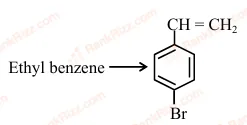
; ; alc. KOH
; ; aq. KOH
; ; aq. KOH
; ; alc. KOH
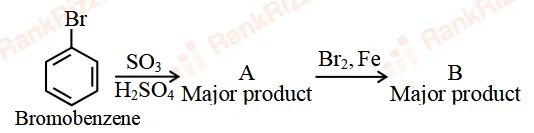
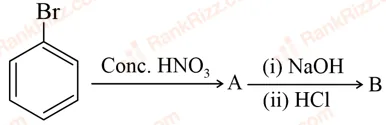
In the following series of reactions identify the major products A & B respectively.
Bromobenzene A (Major product) B (Major product)
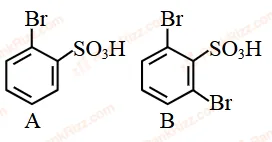
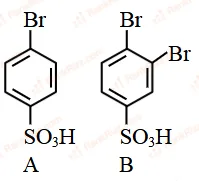
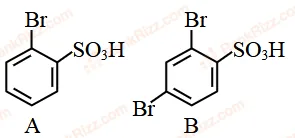
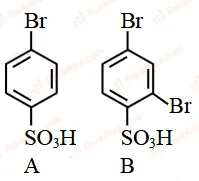
Match List-I with List-II.
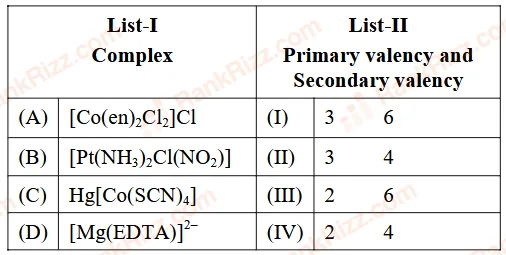
Choose the correct answer from the options given below :
(A)-(III), (B)-(I), (C)-(II), (D)-(IV)
(A)-(I), (B)-(IV), (C)-(II), (D)-(III)
(A)-(I), (B)-(III), (C)-(II), (D)-(IV)
(A)-(II), (B)-(III), (C)-(IV), (D)-(I)
In The following substitution reaction :
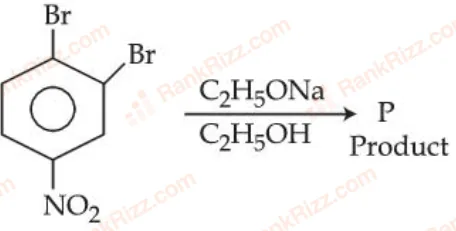
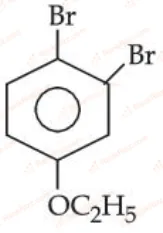
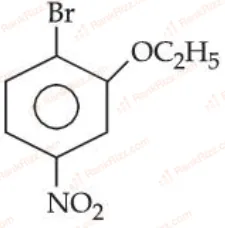
product 'P'formed is :
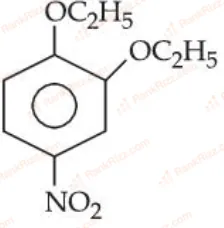
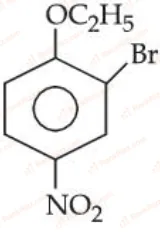
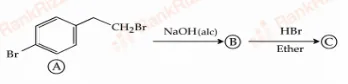
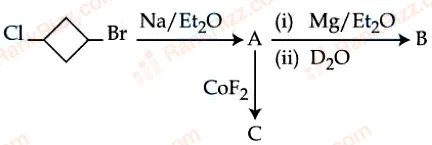
Identify (B) and (C) and how are (A) and (C) related ?




Identify and in the following reaction sequence:
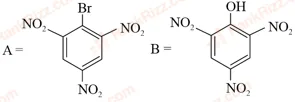
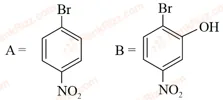
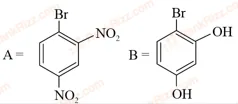
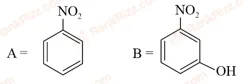
Given below are two statements : one is labelled as Assertion A and the other is labelled as Reason R :
Assertion A : Aryl halides cannot be prepared by replacement of hydroxyl group of phenol by halogen atom.
Reason R : Phenols react with halogen acids violently.
In the light of the above statements, choose the most appropriate from the options given below:
Both A and R are true but R is NOT the correct explanation of A
A is false but R is true
A is true but R is false
Both A and R are true and R is the correct explanation of A
In the following sequence of reaction, the major products B and C respectively are :

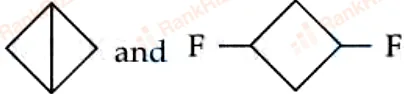


The number of halobenzenes from the following that can be prepared by Sandmeyer's reaction is ______
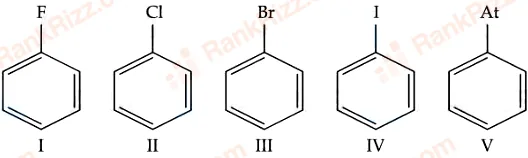
The compound which will have the lowest rate towards nucleophilic aromatic substitution on treatment with OH is
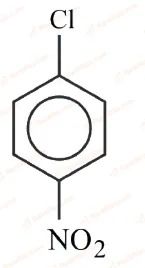
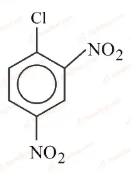
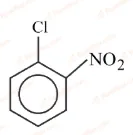
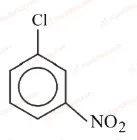
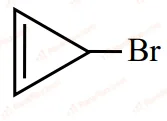
Compound from the following that will not produce precipitate on reaction with AgNO is
The major product formed in the Friedel-Craft acylation of chlorobenzene is
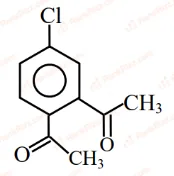
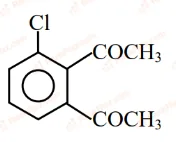
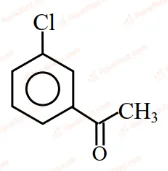
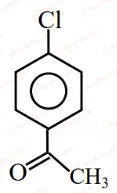
Identify the incorrect option from the following:
Option 1 (see figure)
Option 2 (see figure)
Option 3 (see figure)
Option 4 (see figure)
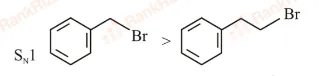
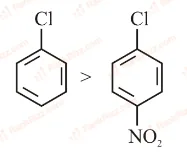
Identify the correct order of reactivity for the following pairs towards the respective mechanism
(A)
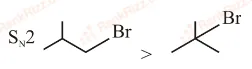
(B)
(C) Electrophilic substitution
(D) Nucleophilic substitution
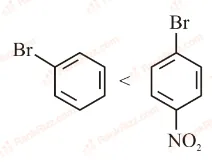
Choose the correct answer from the options given below:
B, C and D only
A, B, C and D
A, B and D only
A, C and D only
The correct order of reactivity of following haloarenes towards nucleophilic substitution with aqueous NaOH is:
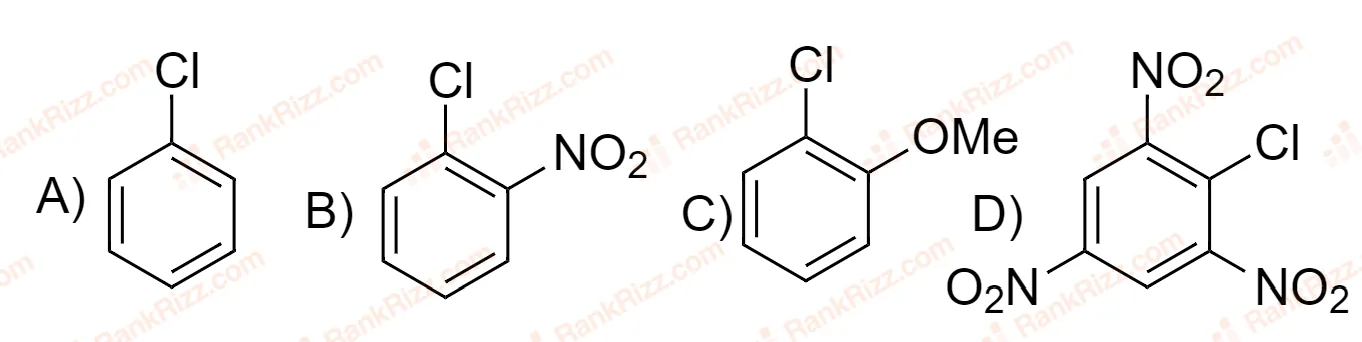
A > B > D > C
C > A > D > B
D > C > B > A
D > B > A > C
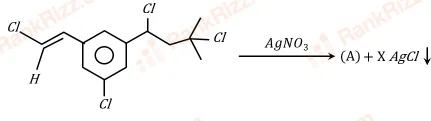
Number of moles of AgCl formed in the following reaction is _____.
RELATED HALOALKANES AND HALOARENES TOPICS