JEE MAIN 2023 · 24 JAN S1HaloarenesTRANSCRIBED
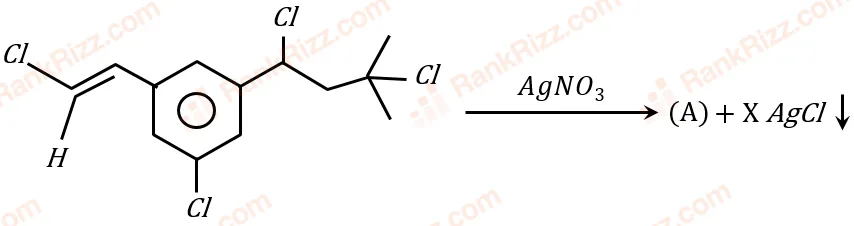
Number of moles of AgCl formed in the following reaction is _____.
Every JEE Main question on Haloarenes, one of the ideas inside Haloalkanes and Haloarenes: 48 questions from 2006–2026, 28 of them in the last five years. Newest first, answer key on every one. Free to read.
Questions
48
Years asked
12
Since
2006
Of the chapter
26%
21–40 OF 48 · NEWEST FIRST
Number of moles of AgCl formed in the following reaction is _____.
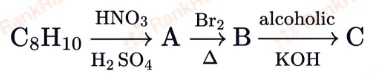
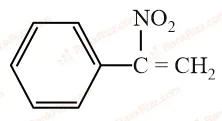
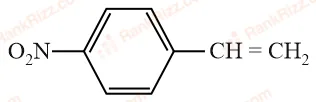
In the given reaction sequence, the major product 'C' is :
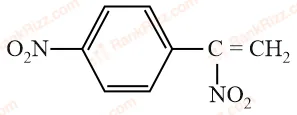
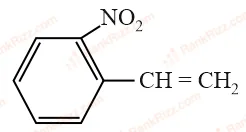
Halogenation of which one of the following will yield m-substituted product with respect to methyl group as a major product?
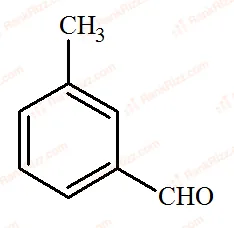
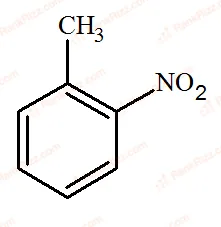
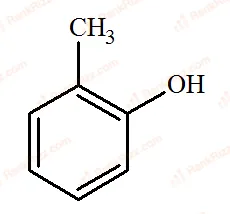
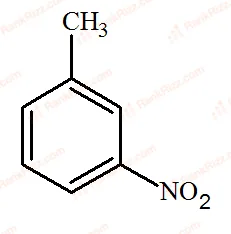
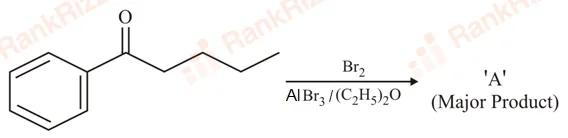
The major product of the following reaction is
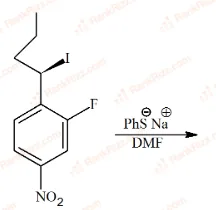
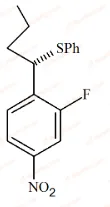
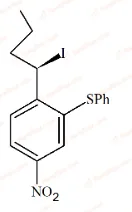
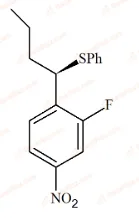
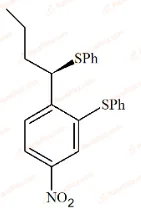
Consider the following reaction,

What is A in the above reaction?
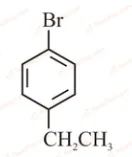
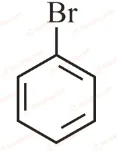
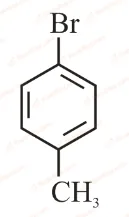
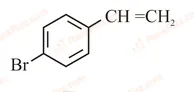
In the given conversion the compound A is:
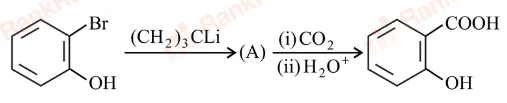
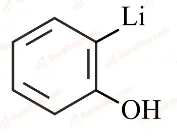
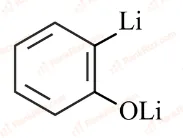
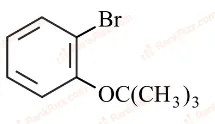
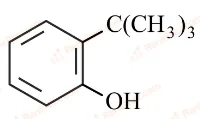
Two isomers (A) and (B) with Molar mass 184 g/mol and elemental composition C, 52.2%; H, 49% and Br 42.9% gave benzoic acid and p-bromobenzoic acid, respectively on oxidation with KMnO. Isomer 'A' is optically active and gives a pale yellow precipitate when warmed with alcoholic AgNO. Isomer 'A' and 'B' are, respectively:
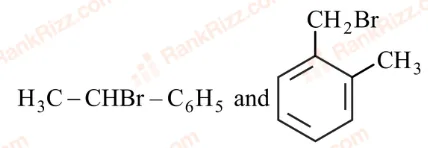
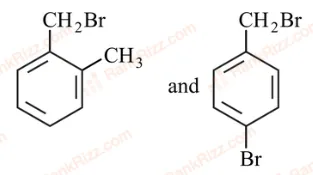
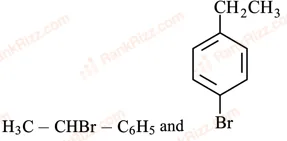
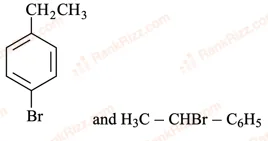
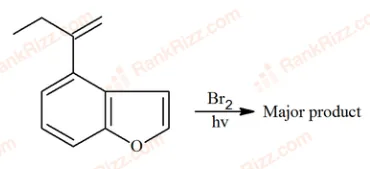
The major product of the following reaction contains ______ bromine atom(s).
Given below are two statements :
Statement I : CHOH and AgCN both can generate nucleophile.
Statement II : KCN and AgCN both will generate nitrile nucleophile with all reaction conditions.
Choose the most appropriate option :
Statement I is true but statement II is false
Both statement I and statement II are true
Statement I is false but statement II is true
Both statement I and statement II are false
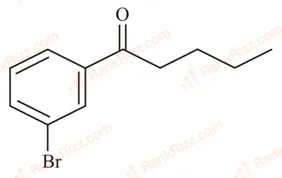
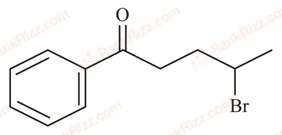
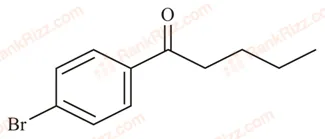
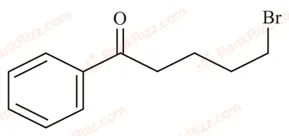
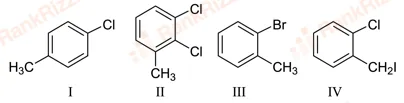
Among the following compounds I - IV, which one forms a yellow precipitate on reacting sequentially with
(i) NaOH (ii) dil. HNO (iii) AgNO
III
II
I
IV
The correct decreasing order of densities of the following compounds is:
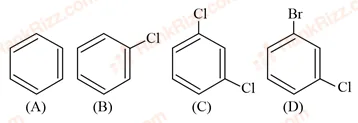
(D) > (C) > (B) > (A)
(C) > (D) > (A) > (B)
(C) > (B) > (A) > (D)
(A) > (B) > (C) > (D)
The correct order of the following compounds showing increasing tendency towards nucleophilic substitution reaction is:
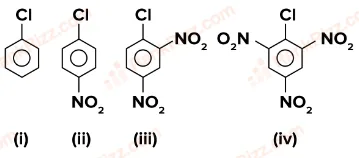
(iv) < (i) < (ii) < (iii)
(i) < (ii) < (iii) < (iv)
(iv) < (i) < (iii) < (ii)
(iv) < (iii) < (ii) < (i)
Match List-I with List-II.
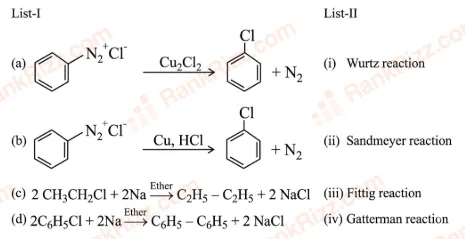
Choose the correct answer from the options given below :
(a)(iii), (b)(iv), (c)(i), (d)(ii)
(a)(ii), (b)(i), (c)(iv), (d)(iii)
(a)(iii), (b)(i), (c)(iv), (d)(ii)
(a)(ii), (b)(iv), (c)(i), (d)(iii)
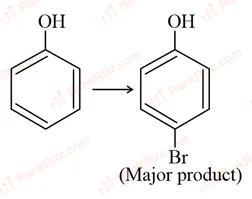
The given reaction can occur in the presence of:
(a) Bromine water
(b) in , 273 K
(c)
(d) in , 273 K
Choose the correct answer from the options given below:
(b) and (d) only
(a) and (c) only
(b), (c) and (d) only
(a), (b) and (d) only
The above reaction requires which of the following reaction conditions?
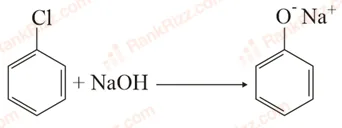
573 K, Cu, 300 atm
623 K, Cu, 300 atm
573 K, 300 atm
623 K, 300 atm
Which of these will produce the highest yield Friedel Crafts reaction?

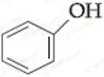

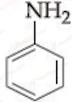
Consider the following reactions:
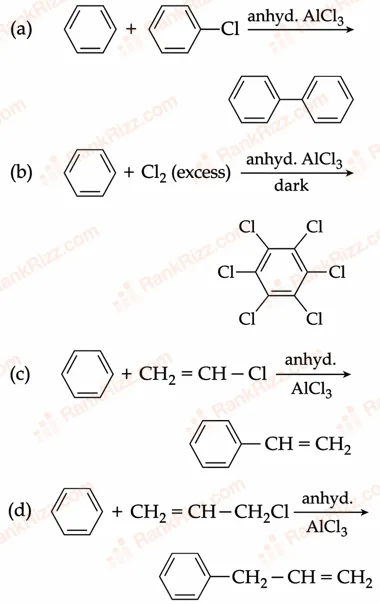
Which of these reactions are possible?
(a) and (b)
(a) and (d)
(b), (c) and (d)
(b) and (d)
Which of the following compounds will produce a precipitate with ?
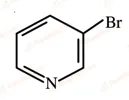
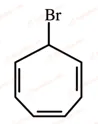
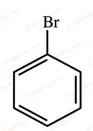
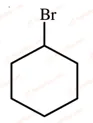
The compounds A and B in the following reaction are, respectively:
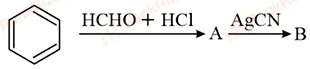
A = Benzyl alcohol, B = Benzyl isocyanide
A = Benzyl chloride, B = Benzyl isocyanide
A = Benzyl alcohol, B = Benzyl cyanide
A = Benzyl chloride, B = Benzyl cyanide
RELATED HALOALKANES AND HALOARENES TOPICS