JEE MAIN 2024 · 04 APR S2Reactive intermediates and rearrangementsTRANSCRIBED
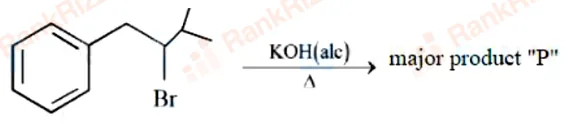
- A
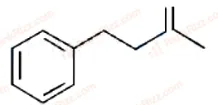
- B
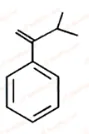
- C
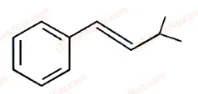
- D
Every JEE Main question on Reactive intermediates and rearrangements, one of the ideas inside General Organic Chemistry: 36 questions from 2005–2026, 28 of them in the last five years. Newest first, answer key on every one. Free to read.
Questions
36
Years asked
11
Since
2005
Of the chapter
14%
21–36 OF 36 · NEWEST FIRST
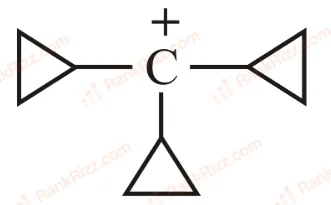
Number of carbocations from the following that are not stabilized by hyperconjugation is __________
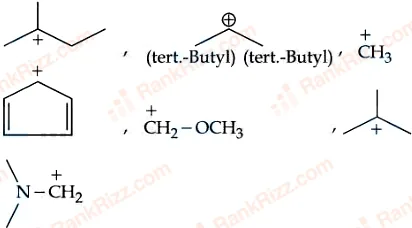
_
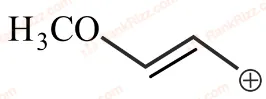
Increasing order of stability of the resonance structure is:
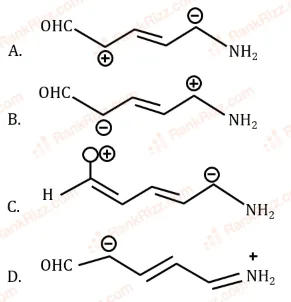
C, D, B, A
C, A, B, D
D, C, A, B
D, C, B, A
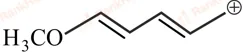
Increasing order of stability of the resonance structure is:
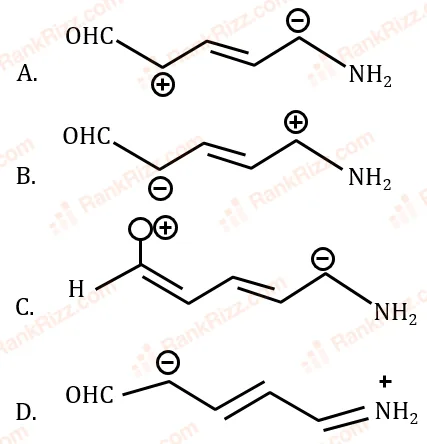
C, D, B, A
C, A, B, D
D, C, A, B
D, C, B, A
The most stable carbocation for the following is:
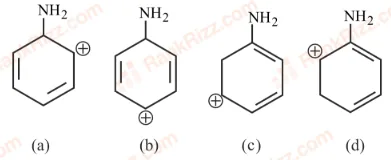
c
d
b
a
The decreasing order of hydride affinity for following carbocations is:
(a)
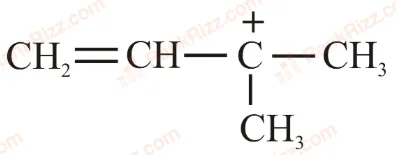
(b)
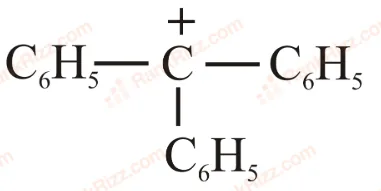
(c)
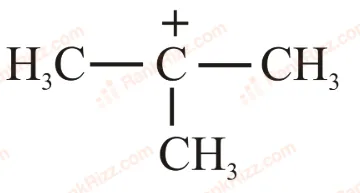
(d)
Choose the correct answer from the options given below:
C, A, D, B
C, A, B, D
A, C, D, B
A, C, B, D
Arrange the following carbocations in decreasing order of stability.
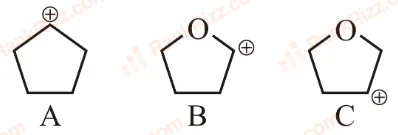
Which of the following carbocations is most stable?
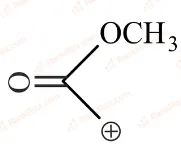
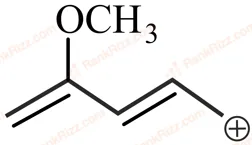
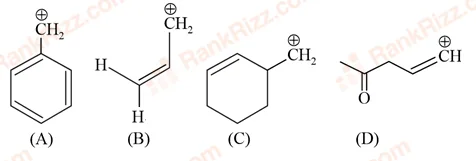
Among the given species the Resonance stabilised carbocations are:
(C) and (D) only
(A), (B) and (D) only
(A) and (B) only
(A), (B) and (C) only
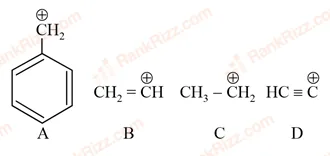
The correct order of stability of given carbocation is:
A > C > B > D
D > B > C > A
D > B > A > C
C > A > D > B
In which of the following pairs is A more stable than B?
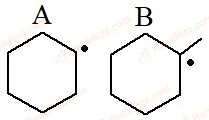
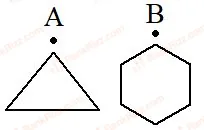
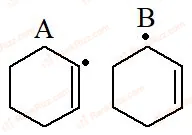
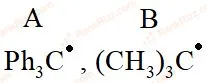
Which one of the following is most stable?
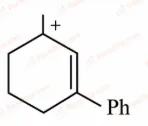
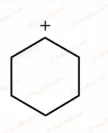
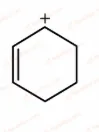
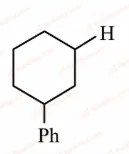
The order of stability of the following carbocations:
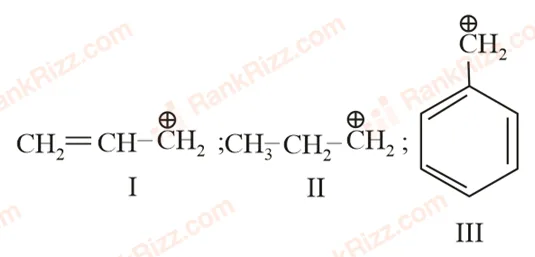
I > II > III
III > I > II
III > II > I
II > III > I
Arrange the carbanions, , in order of their decreasing stability :
The increasing order of stability of the following free radicals is
Due to the presence of an unpaired electron, free radicals are:
Chemically reactive
Chemically inactive
Anions
Cations