JEE MAIN 2026Resonance and hyperconjugationTRANSCRIBED
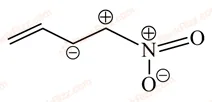
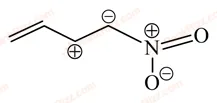
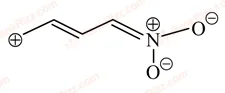
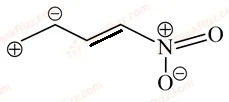
The most stable canonical structure of given molecule is:
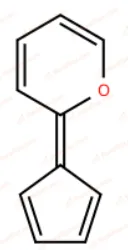
- A
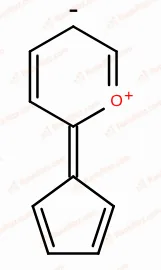
- B
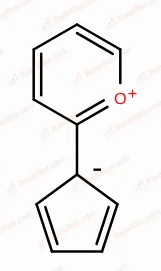
- C
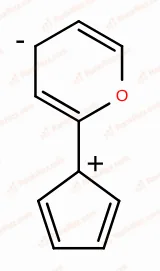
- D
None of these
Every JEE Main question on Resonance and hyperconjugation, one of the ideas inside General Organic Chemistry: 26 questions from 2012–2026, 18 of them in the last five years. Newest first, answer key on every one. Free to read.
Questions
26
Years asked
10
Since
2012
Of the chapter
10%
Questions on Resonance and hyperconjugation in each year it was asked.
1–20 OF 26 · NEWEST FIRST
The most stable canonical structure of given molecule is:
None of these
From the following, the least stable structure is :
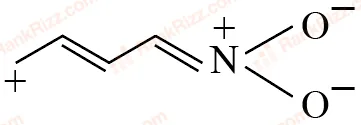
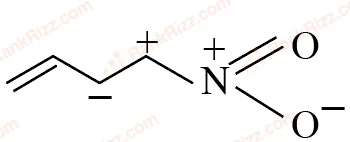
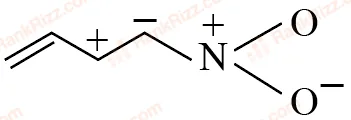
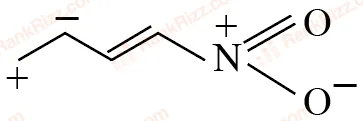
Find out the statements which are not true.
A. Resonating structures with more number of covalent bonds and lesser charge separntion are more stable.
B. In electromeric effect, an unsaturated system shows +E effect with nucleophile and -E effect with electrophile.
C. Inductive effect is responsible for high melting point, boiling point and dipole moment of polar compotmds.
D. The greater the number of alkyl groups attached to the doubly bonded carbon atoms, higher is the heat of hydrogenation.
E. Stability of carbanion increases with the increase in s - character of the carbon carrying the negative charge.
Choose the correct answer from the options given below:
A, C & D only
B, D & E only
A, D & E only
B & D only
Consider the following molecules/species:
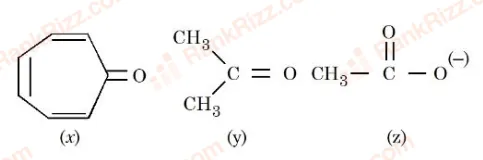
The correct order of carbon-oxygen double bond length is:
x > y > z
y > z > x
z > x > y
x > z > y
Identify A in the following reaction.
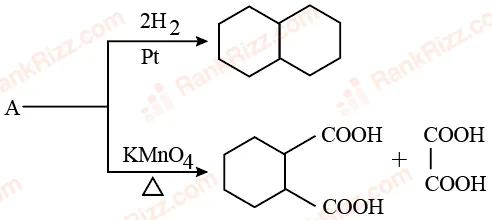
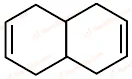
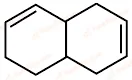
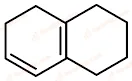
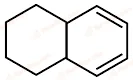
Increasing order of electron withdrawing power of following functional groups is:
a. , b. , c. , d.
Shown below is the structure of methyl acetate with three different , and carbon-oxygen bonds.
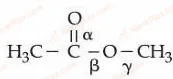
The correct order of bond lengths of these bonds is :
Total number of nucleophiles from the following is :
7
4
6
5
Match List I with List II :
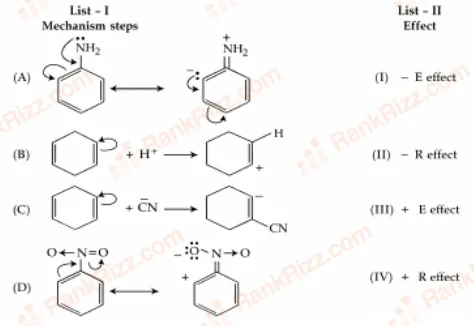
Choose the correct answer from the options given below :
(A)-(IV), (B)-(III), (C)-(I), (D)-(II)
(A)-(I), (B)-(II), (C)-(IV), (D)-(III)
(A)-(III), (B)-(I), (C)-(II), (D)-(IV)
(A)-(II), (B)-(IV), (C)-(III), (D)-(I)
Which among the following is incorrect statement?
Electromeric effect dominates over inductive effect
The electromeric effect is a temporary effect
Hydrogen ion (H⁺) shows negative electromeric effect
The organic compound shows electromeric effect in the presence of the reagent only
The interaction between bond and lone pair of electrons present on an adjacent atom is responsible for
Hyperconjugation
Inductive effect
Electromeric effect
Resonance effect
The difference in energy between the actual structure and the lowest energy resonance structure for the given compound is:
electromeric energy
resonance energy
ionization energy
hyperconjugation energy
The correct stability order of the following resonance structures of i

Ionic reactions with organic compounds proceed through: (A) Homolytic bond cleavage (B) Heterolytic bond cleavage (C) Free radical formation (D) Primary free radical (E) Secondary free radical. Choose the correct answer from the options given below:
(A) only
(C) only
(B) only
(D) and (E) only
The functional group that shows negative resonance effect is:
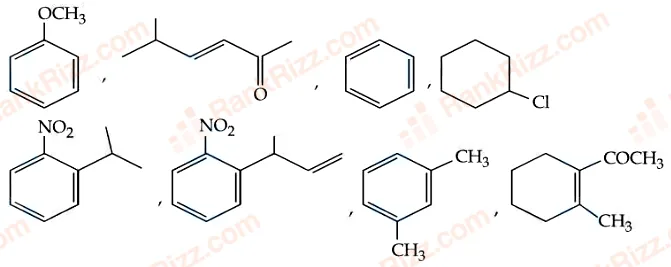
How many compounds among the following compounds show inductive, mesomeric as well as hyperconjugation effects?
Resonance in carbonate ion CO is
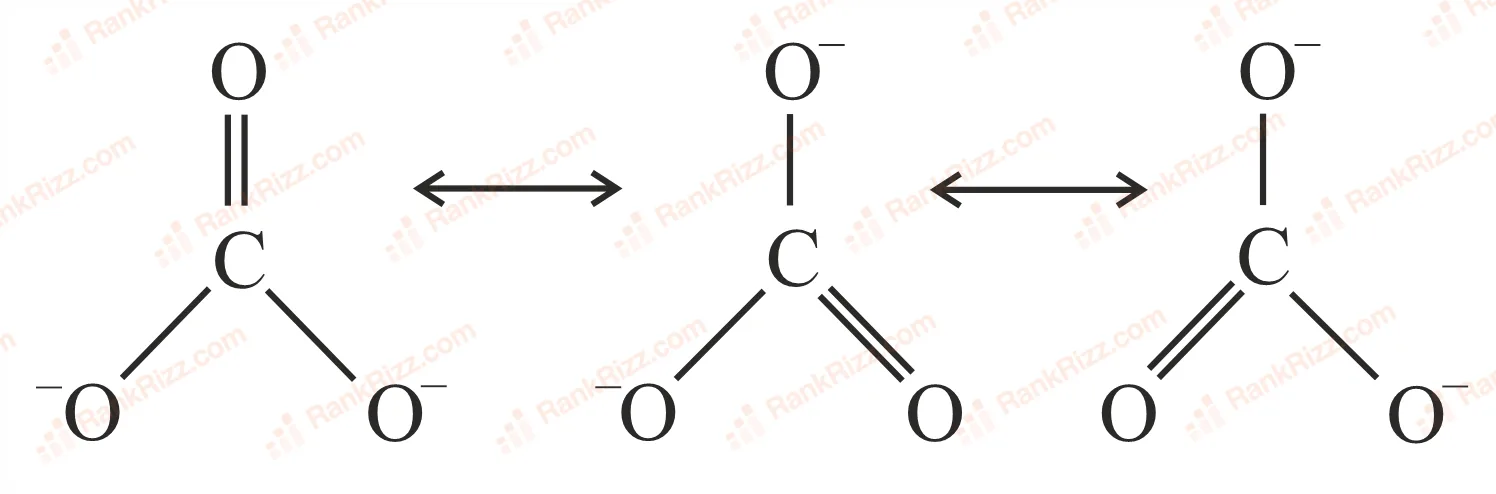
Which of the following is true?
It is possible to identify each structure individually by some physical or chemical method.
All these structures are in dynamic equilibrium with each other.
Each structure exists for equal amount of time.
CO has a single structure i.e., resonance hybrid of the above three structures.
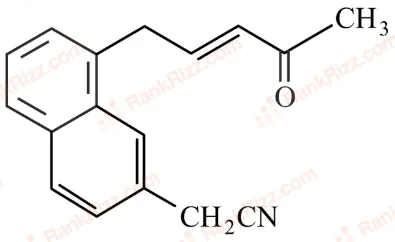
Number of electrophilic centres in the given compound is ______
The compound/s which will show significant intermolecular H-bonding is/are:
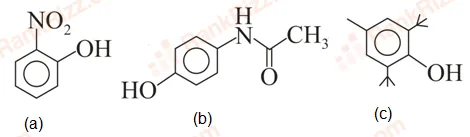
(a), (b) and (c)
(b) only
(c) only
(a) and (b) only
Which one among the following resonating structures is not correct?