JEE MAIN 2021 · 25 JUL S1Distinguishing tests for aldehydes and ketonesTRANSCRIBED
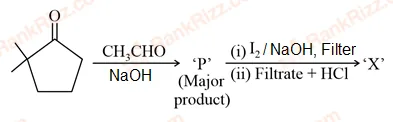
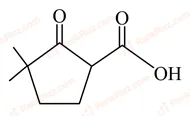
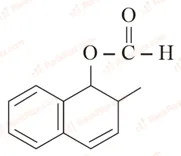
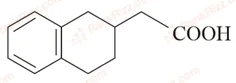
Consider the given reaction, the product 'X' is:
- A
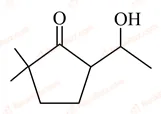
- B
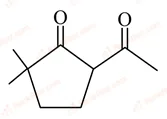
- C
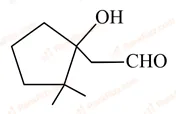
- D
Every Aldehydes and Ketones question JEE Main has set, grouped by the idea it tests rather than the order of the syllabus. 214 questions across 5 distinct ideas. Free to read, answer key on every one.
Questions
214
Distinct ideas
5
Share of marks
4.6%
Difficulty
HARD
A chapter is not one subject — it is a handful of procedures the examiner reuses. These are the ones Aldehydes and Ketones questions actually test.
121–140 OF 214 · NEWEST FIRST
Consider the given reaction, the product 'X' is:
2, 4-DNP test can be used to identify:
aldehyde
amine
halogens
ether
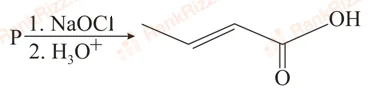
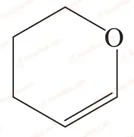
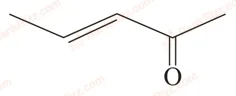
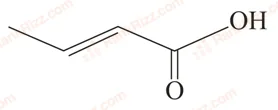
The structure of the starting compound P used in the reaction given below is:
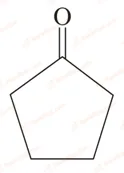
Which of the following reagent is suitable for the preparation of the product in the above reaction?
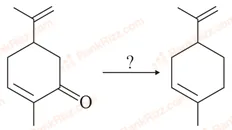
Red P +
Ni /
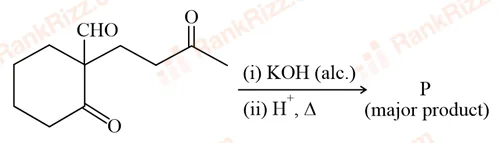
The major product (P) in the following reaction is:
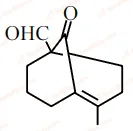
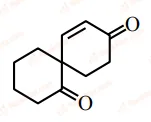
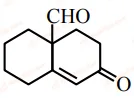
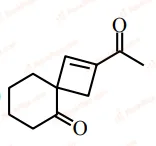
Experimentally reducing a functional group cannot be done by which one of the following reagents?
Zn / HO
Pt - C / H
Pd - C / H
Na / H
Identify A in the given chemical reaction.
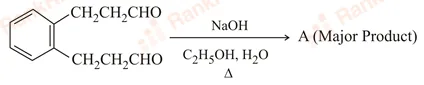
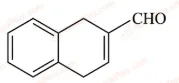
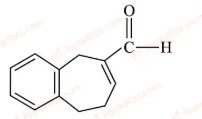
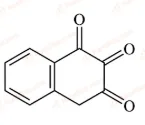
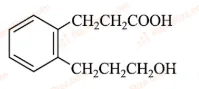
Which of the following reagent is used for the following reaction?
Copper at high temperature and pressure
Manganese acetate
Molybdenum oxide
Potassium permanganate
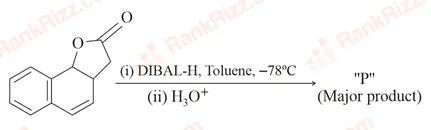
The product "P" in the above reaction is:
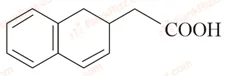
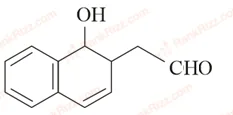
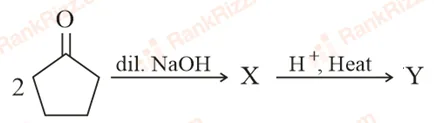
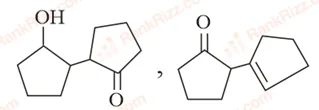
Consider the above reaction, the product X and Y respectively are :
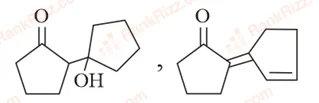
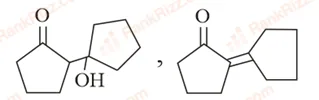
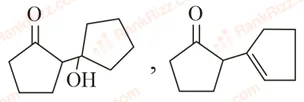
Which one of the following carbonyl compounds cannot be prepared by addition of water on an alkyne in the presence of and ?
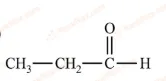
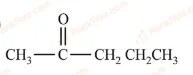
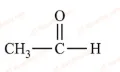
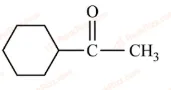
Which one of the following compounds will give orange precipitate when treated with 2,4-dinitrophenyl hydrazine?
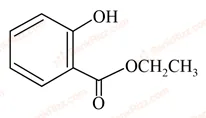
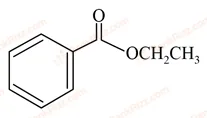
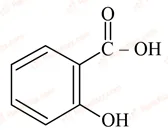
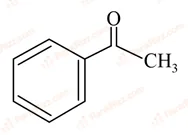
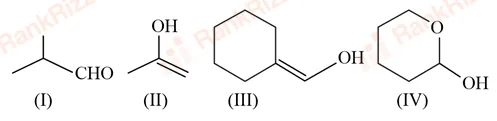
Which among the above compound/s does/do not form Silver mirror when treated with Tollen's reagent?
(I), (III) and (IV) only
Only (IV)
Only (II)
(III) and (IV) only
The product "A" in the above reaction is:

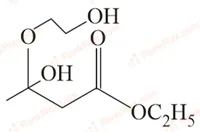
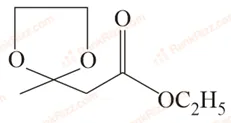
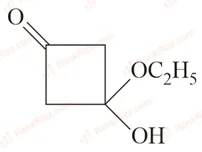
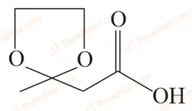
For the reaction given below:
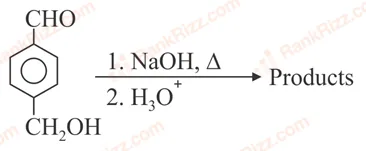
The compound which is not formed as a product in the reaction is a:
diol
monocarboxylic acid
compound with both alcohol and acid functional groups
dicarboxylic acid
Given below are two statements:
Statement I : The nucleophilic addition of sodium hydrogen sulphite to an aldehyde or a ketone involves proton transfer to form a stable ion.
Statement II : The nucleophilic addition of hydrogen cyanide to an aldehyde or a ketone yields amine as final product.
In the light of the above statements, choose the most appropriate answer from the options given below:
Both Statement I and Statement II are false.
Both Statement I and Statement II are true.
Statement I is false but Statement II is true.
Statement I is true but Statement II is false.
Identify A in the following chemical reaction.
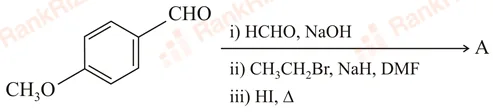
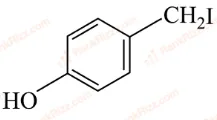
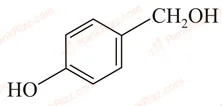
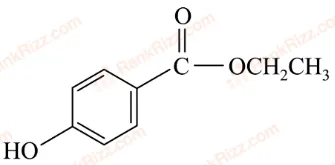
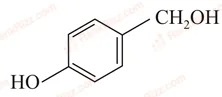
Which one of the following is the major product of the given reaction?
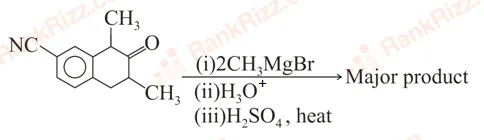
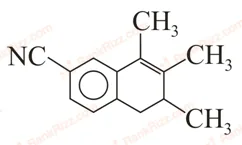
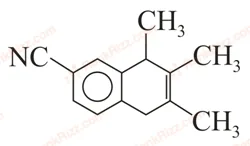
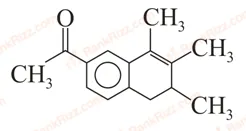
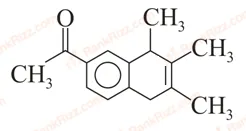
Which one of the following reactions will not form acetaldehyde?
>
>
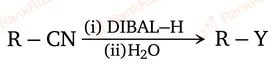
Consider the above reaction and identify "Y"
OTHER CHEMISTRY CHAPTERS