JEE MAIN 2019 · 10 JAN S1Reactions of carboxylic acidsTRANSCRIBED
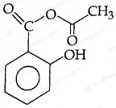
The decreasing order of ease of alkaline hydrolysis for the following esters is:
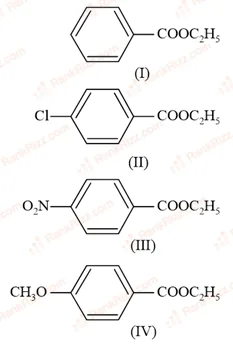
- A
III > II > IV > I
- B
III > II > I > IV
- C
IV > II > III > I
- D
II > III > I > IV
Every JEE Main question on Reactions of carboxylic acids, one of the ideas inside Carboxylic Acids and Derivatives: 49 questions from 2014–2026, 24 of them in the last five years. Newest first, answer key on every one. Free to read.
Questions
49
Years asked
11
Since
2014
Of the chapter
64%
41–49 OF 49 · NEWEST FIRST
The decreasing order of ease of alkaline hydrolysis for the following esters is:
III > II > IV > I
III > II > I > IV
IV > II > III > I
II > III > I > IV
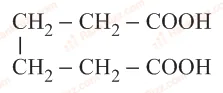
With dehydrating agent present which dicarboxylic acid is least reactive towards forming an anhydride?
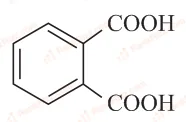
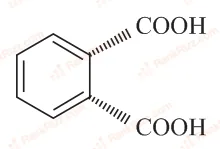
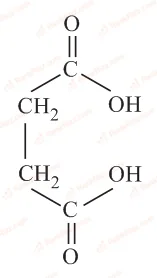
Phenol on treatment with in the presence of NaOH followed by acidification produces compound X as the major product. X on treatment with in the presence of catalytic amount of produces:
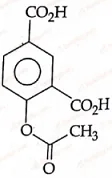
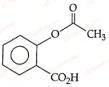
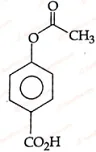
The increasing order of the acidity of the following carboxylic acids is:
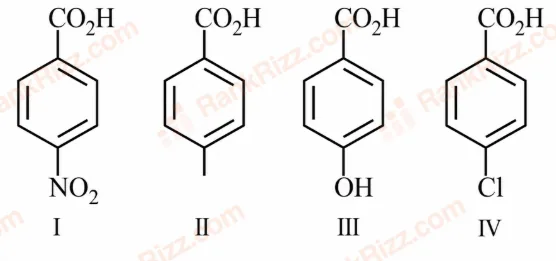
III < II < IV < I
I < III < II < IV
IV < II < III < I
II < IV < III < I
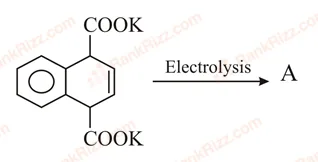
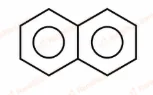
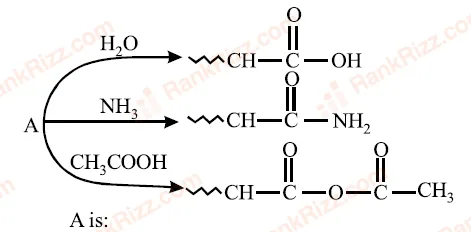
A is:
In the presence of a small amount of phosphorous, aliphatic carboxylic acid reacts with chlorine or bromine to yield a reaction in which, -hydrogen is been replaced by halogen. This reaction is known as
Etard reaction
Wolff-Kischner reaction
Rosenmund reaction
Hell-volhard-zelinsky reaction
The gas liberated by the electrolysis of Dipotassium succinate solution is:
Ethane
Ethyne
Ethene
Propene
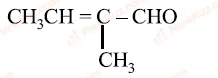
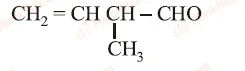
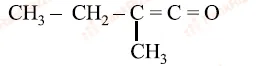
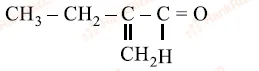
An organic compound A, CHO; reacts with HO, NH and CHCOOH as described below:
Among the following organic acids, the acid present in rancid butter is:
Pyruvic acid
Acetic acid
Butyric acid
Lactic acid
RELATED CARBOXYLIC ACIDS AND DERIVATIVES TOPICS