JEE MAIN 2023 · 11 APR S2Properties and reactions of alcoholsTRANSCRIBED
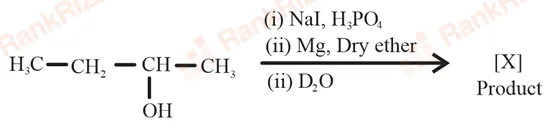
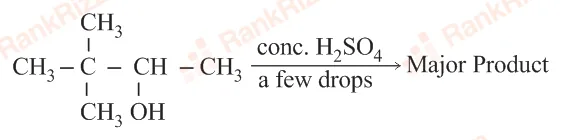
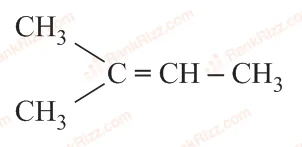
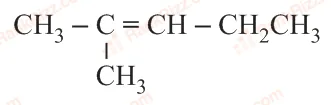
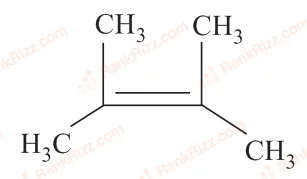
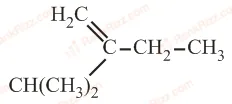
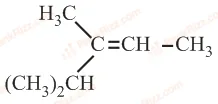
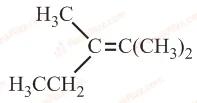
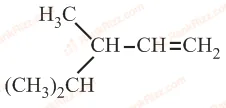
Product [X] formed in the above reaction is :
- A
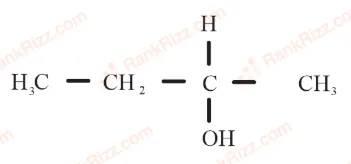
- B

- C
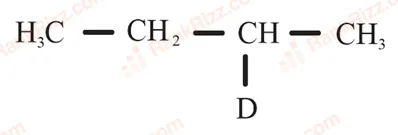
- D

Every JEE Main question on Properties and reactions of alcohols, one of the ideas inside Alcohols, Phenols and Ethers: 62 questions from 2004–2026, 28 of them in the last five years. Newest first, answer key on every one. Free to read.
Questions
62
Years asked
16
Since
2004
Of the chapter
34%
21–40 OF 62 · NEWEST FIRST
Product [X] formed in the above reaction is :
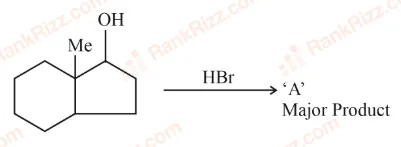
The number of hyperconjugation structures involved to stabilize carbocation formed in the reaction of 2-methylcyclohexan-1-ol with HBr is _______
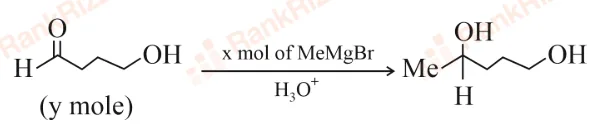
The ratio x/y on completion of the reaction is
Choose the correct option for the following reactions.
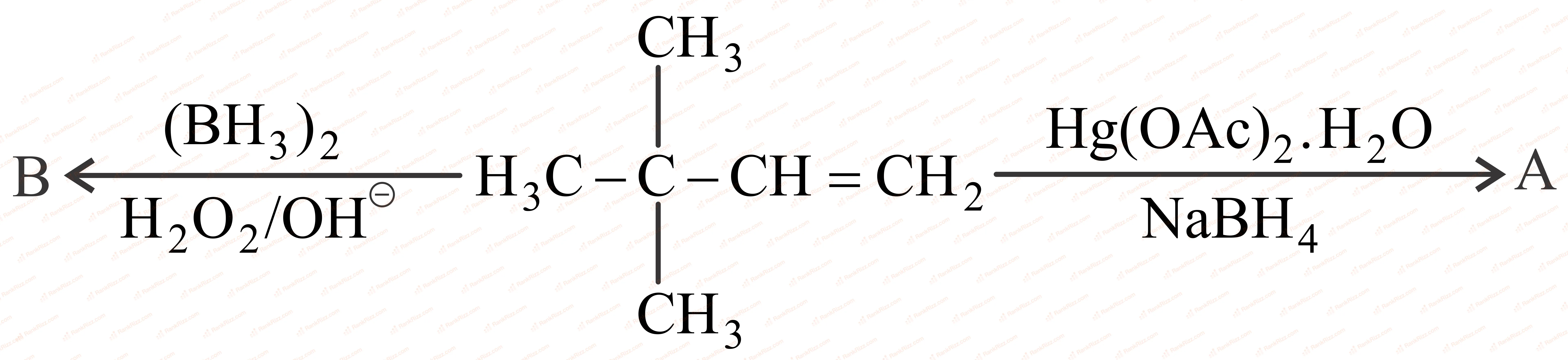
'A' and 'B' are both Markovnikov addition products.
'A' is Markovnikov product and 'B' is anti-Markovnikov product.
'A' and 'B' are both anti-Markovnikov products.
'B' is Markovnikov and 'A' is anti-Markovnikov product.
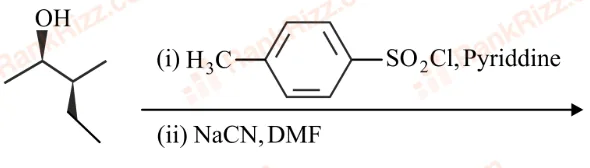
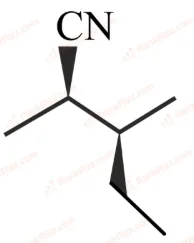
Most stable product of the following reaction is
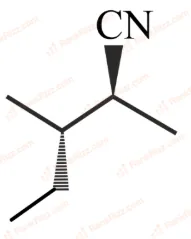
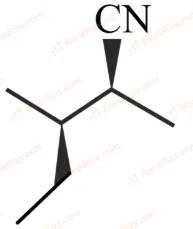
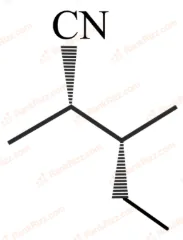
Given below are two statements:
Statement I: On heating with , glycerol is dehydrated and acrolein is formed.
Statement II: Acrolein has fruity odour and can be used to test glycerol's presence.
Choose the correct option.
Both Statement I and Statement II are correct
Both Statement I and Statement II are incorrect
Statement I is correct but Statement II is incorrect
Statement I is incorrect but Statement II is correct
When ethanol is heated with conc. , a gas is produced. The compound formed, when this gas is treated with cold dilute aqueous solution of Baeyer's reagent, is
Formaldehyde
Formic acid
Glycol
Ethanoic acid
The number of chiral alcohol(s) with molecular formula CHO is ______ (Assume stereoisomers as different chiral alcohols)
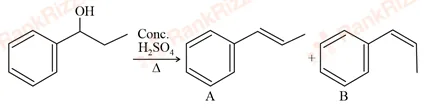
Consider the above reaction, and choose the correct statement:
The reaction is not possible in acidic medium
Both compounds A and B are formed equally
Compound A will be the major product
Compound B will be the major product
Given below are two statements : one is labelled as Assertion (A) and the other is labelled as Reason (R).
Assertion (A): Treatment of bromine water with propene yields 1-bromopropan-2-ol.
Reason (R): Attack of water on bromonium ion follows Markovnikov rule and results in 1-bromopropan-2-ol.
In the light of the above statements, choose the most appropriate answer from the options given below:
Both (A) and (R) are true but (R) is NOT the correct explanation of (A).
(A) is false but (R) is true.
Both (A) and (R) are true and (R) is the correct explanation of (A).
(A) is true but (R) is false.
In the given reaction 3-Bromo-2, 2-dimethyl butane 'A' (Major Product). Product A is:
2-Ethoxy-3, 3-dimethyl butane
1-Ethoxy-3, 3-dimethyl butane
2-Ethoxy-2, 3-dimethyl butane
2-Hydroxy-3, 3-dimethyl butane
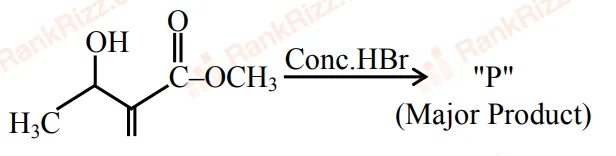
Consider the above reaction, the major product P formed is:
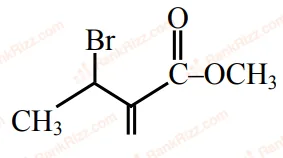
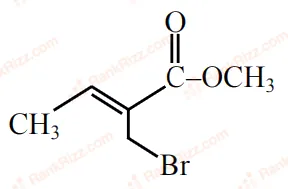
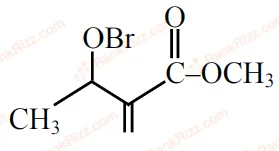
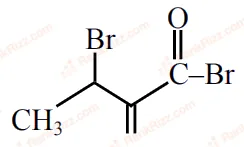
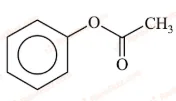
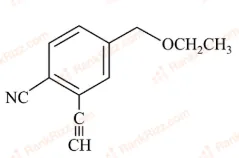
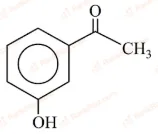
Which of the following compounds will provide a tertiary alcohol on reaction with excess of CHMgBr followed by hydrolysis?
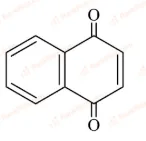
In the following sequence of reactions, the final product D is:

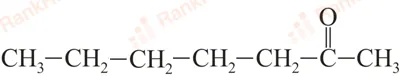


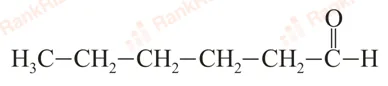
What is 'X' in the given reaction?



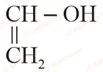

The major product formed in the following reaction is:
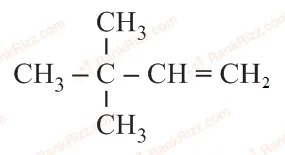
To synthesise 1 mole of 2-methylpropan-2-ol from Ethylethanoate equivalents of CHMgBr reagent will be required. (Integer value)
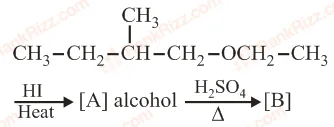
The major product [B] in the following reaction is:
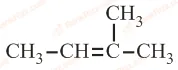
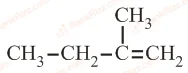
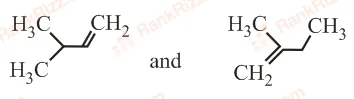
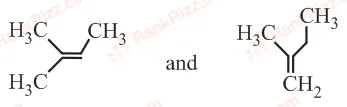
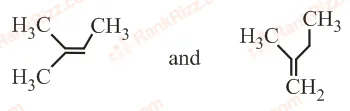
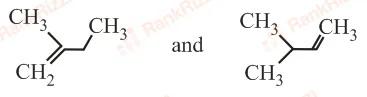
When neopentyl alcohol is heated with an acid, it slowly converted into an 85:15 mixture of alkenes A and B, respectively. What are these alkenes?
The major product [R] in the following sequence of reaction is:

RELATED ALCOHOLS, PHENOLS AND ETHERS TOPICS